I had the wonderful opportunity to be part of Camp Goonzhii earlier this fall. The annual Science and Culture camp was held at the school in Arctic Village in early September. For three days, the students and teachers at the school, the camp instructors, and members of the community shared activities and stories about the environment, traditional culture and the refuge.
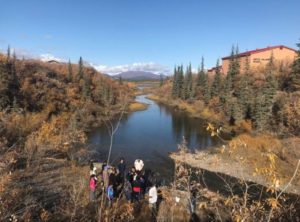
The six instructors took turns filling in all the blocks in the school schedule, alternately doing activities with the different age groups. I led the session on Aquatic Macroinvertebrates, starting with a field trip to the stream by the school to see what we could get into our bug nets.
After our collected samples settled overnight, we observed and sorted what we found and talked about what the aquatic organisms needed to live, and what needed them, and their role in the river environment overall. The fast moving scuds and erratic water boatmen were by far the favorites!
Related activities included traditional fishing and how to build a fish trap and an art project where the students did invertebrate art based on what we saw in the stream. There were also class activities and games such as learning about lynx, soundscapes and plastic pollution.
A big thank you to Allyssa Morris and Katherine Monroe at USFWS for all the organizing, to the school for hosting us, and to Friends of AK Wildlife Refuges for sending folks out on these volunteer opportunities. The Friends group also supported a community dinner at the school.
There were a number of hugs from small people when school ended on Friday!
It’s 85 degrees in Bethel, Alaska, and we’re sitting in the back of a hot van in June, banding tree swallows, getting pooped on by the birds, and getting bitten by mosquitoes. Thinking I would escape the sweltering Florida summer, I instead arrived in the middle of an Alaskan heat wave.Banding these beautiful, iridescent, freestyle-flying birds was a dream come true for this former Alaskan.I had the time of my life, and I couldn’t have been happier.
Traveling long distances, aerial insectivores (which includes tree swallows) have seen significant population declines.They are being monitored statewide and nationwide to determine if climate impacts, habitat loss, pollutants or pesticide usage has changed hatch timing, or insect abundance, which is the tree swallows’ main source of food.The Bethel project is the westernmost range of the tree swallow study in North America.
The birds migrate north in the summer, and have a short window of time to mate and hatch their chicks.The bird banding takes place during the mating season in June, and both the adults and chicks are banded.
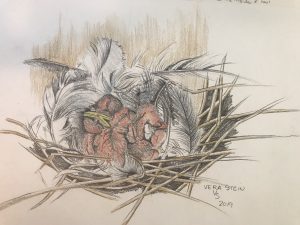
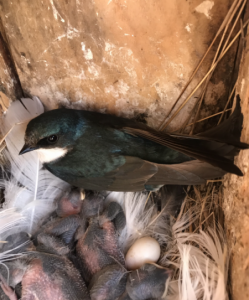
In the initial stages, the adult birds are banded.This is done fairly quickly to ensure the adults return to feeding their young as soon as possible.Each bird is banded.The beak length, wingspan, weight and sex determination (male or female) is done within the span of a few minutes. Over the coming days as the chicks reach maturity, we start banding the chicks.At times the broods are large, sometimes up to 5 or 6 chicks.At the end of the two-week period, nearly all the birds in the 40 or so boxes had been banded.Information will be analyzed and sent to the Alaska Songbird Institute and its network of cooperators.
It is always exciting to capture a bird that has previously been banded.We came across several banded birds this year, and they were really happy occasions for us.
Citizen Science – The Education Component of the Tree Swallow Project
In order to encourage residents of Bethel, particularly youth, to get involved and learn more about their natural environment, USFWS partnered with the 4H Club to assemble the bird boxes that were distributed throughout town.Residents throughout town agreed to put boxes near their homes, where they could enjoy watching the swallows’ activities right in their own backyards.Children in particular were enthralled with the birds, and enjoyed watching us band them. The Boys and Girls club joined us one afternoon while we were banding the chicks, and the kids were fascinated. It was fun to have them around, and see and feel their enthusiasm.An important element of the project, their involvement helps generate interest in nature for the next generation.
Salmon Fishing on the Kuskokwim
One Saturday afternoon there was a fish opener on the Kuskokwim River, and it felt like the entire city of Bethel was out on a boat that day! The parking lot for the fishing boats was jam-packed with trailers and trucks.We were out on the water in mid-afternoon, and it was a productive and fun few hours.A net was put up, and we waited for a signal. The water started to bob around a couple of the buoys. In all, four Chinook (Kings), and a couple of Sockeye (Red) salmon were caught. A good day’s catch !! And a lot of fun.
The year before, I had the opportunity to visit a few Native fish camps along the river, and talk to Bethel residents about catching, cutting up salmon, and smoking the fish in the traditional way.We also discussed the shorter amount of time that residents were allowed to get on the water to fish, and the types of fish that were being rationed.What an incredible lifestyle. Family time out on the water, and delicious fresh fish cooking on the camp stoves. It was heartening to see salmon drying in the yards of the fish camps, with the knowledge that there would be fish to eat throughout the winter.
We were invited to have fresh salmon stew at one family’s camp, which was an honor, and truly memorable.Not to mention that the stew, cooked up with onions and vegetables, was delicious.
Museum and Gallery
The U.S. Fish and Wildlife Service has a small museum attached to the offices, and it is packed with wonderful information about fish migrations throughout the state, as well as specimens of various wildlife that inhabit the area.It’s well worth a visit.
Things I Enjoyed Doing Around Town
Many boardwalks meander throughout Bethel, and being on foot is a great way to see the town.There are lots of beautiful lakes and sloughs, all across town. Walking along the Kuskokwim River was very meditative.
There is a new, state-of-the-art swimming pool and sports complex, and it’s a fun way to spend an evening (or two).This particular Floridian wasn’t used to cold pool water any more, but the hot shower afterwards more than made up for it.
Bethel is not known for its Four-Star dining experiences, but regardless, there are lots of restaurants to choose from. (In an ironic twist, one cannot find fresh fish on the menu).
The Bethel Farmers Market, an organic farm, is open Wednesdays and Saturdays.Their homegrown strawberries, sweet and delicious, are to-die-for.Their potatoes are incredible- sweet, hearty, and firm.Their lettuces are wonderful too.
I was told by a coworker to go to the hospital for lunch.While initially a bit skeptical, I went anyway one afternoon and had a delicious caribou stew.
Saturday mornings, there is a birdwatching tour, leaving from the Fish and Wildlife Service office. On visits to the sloughs, we caught glimpses of a few songbirds and waterfowl.
QUYANA (Thanks)
Many thanks to Jason Sodergren and Betty Siegel of the Friends of Alaska Wildlife Refuges, and Patrick Snow from the Yukon Kuskowkwim National Wildlife Refuge in Bethel.I hope our studies will be part of a larger body of research to help better understand the decline of bird populations and other species worldwide.
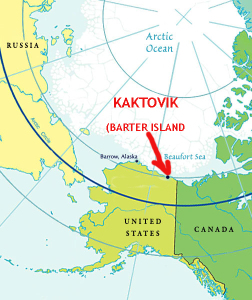
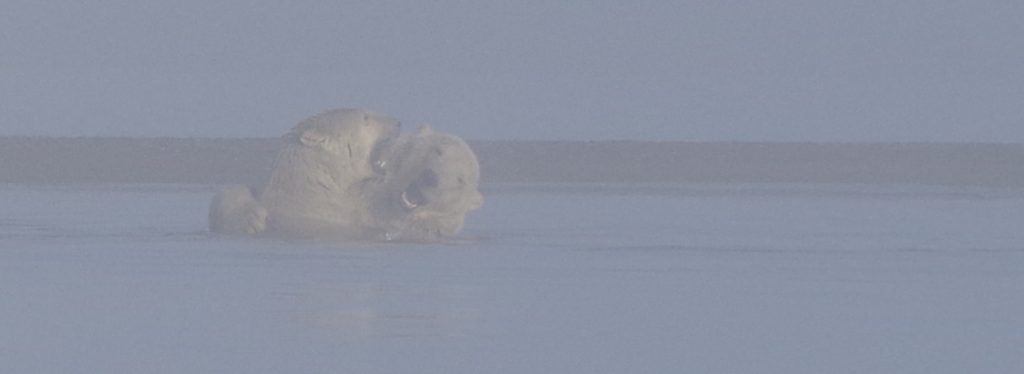
I just returned from my second trip to Kaktovik as a Friends volunteer. From 9/13 to 9/24 I had the opportunity to return to Barter Island to assist the Arctic Refuge staff in their efforts to manage boat-based polar bear viewing with the community of Kaktovik. Having spent a month volunteering in 2017, it was a privilege to be able to return and experience another season. My job was to greet visitors to provide an orientation, and I was pleased to meet several Friends of Alaska National Wildlife Refuges members who had made the trip north.
I also assisted monitoring efforts on the water as the certified gun bearer and boat operator; this year I brought ski goggles so I could see more clearly, as you have to discern whitecaps from polar bears from far away. The dynamics of bear viewing on Arctic Refuge waters is complicated, but the Refuge and Marine Mammals staff have forged a long-term commitment and dedication to the community, and I feel lucky to have learned from them. I am grateful to the Friends for this twice-in-a-lifetime experience.
Arctic Village sits on the banks of the Chandalar River and borders the Arctic National Wildlife Refuge. It’s here that I went as a volunteer for the Friends of Alaska National Wildlife Refuges to participate in the 2018 Camp Goonzhii Science and Culture Camp. I arrived at the school just in time to observe an elder teaching students how to cut up a caribou leg and make caribou stew. I guess camp had already started in Arctic Village.
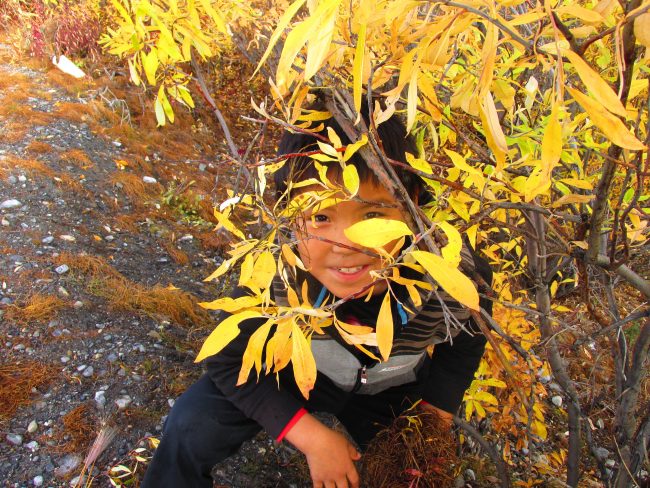
The next day began with my facilitating bird nest building with an enthusiastic group of about 12 kindergarten-4th graders. Outside, across from the school, we found some willows, turning a beautiful fall yellow. The bushes were just the right height for these young scientists to construct a bird nest. Weaving sticks, grass and leaves together they eagerly built small cup shaped nests. They tested their nests with three small stones which represented eggs. Each nest passed the test!
Next came a lively group of middle schoolers. Out into the field we went and they also were intent on participating. They asked pertinent questions such as: how do birds know where to build a nest? How long does it a take a bird to build a nest? Can a bird lay eggs without a nest? The high schoolers were next and I was pleased to see how much care and diligence they took in constructing their nests. I was so impressed with all the student’s enthusiasm and excitement for learning about bird nests. Some wondered if their nest would last all winter and a bird might come and use it next spring.
The days at Camp Goonzhii were filled with other diverse science activities. There was, “the life of salmon” which included an activity in which students observed how water flow effects the success of egg survival. We had a morning on the creek where students collected and observed aquatic life. Students also practiced in the art of scientific sketching. And they were informed about how wildlife refuges are managed. The last day village elders came and talked to students about several topics from protecting their land to being successful in school.
The entire experience at camp and visiting Arctic Village was amazing. Thank you to Friends of Alaska National Wildlife Refuges. I feel privileged to have been given the opportunity to assist with Camp Goonzhii.
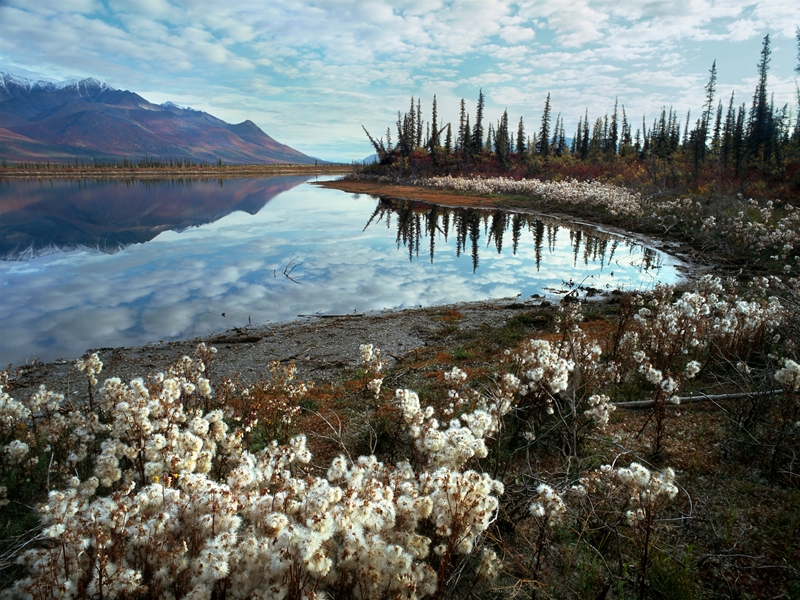
(Header photo by Cynthia Sisson; Landscape by Gwich’in Steering Committee – “Unnamed lake along east fork of Chandalar River)
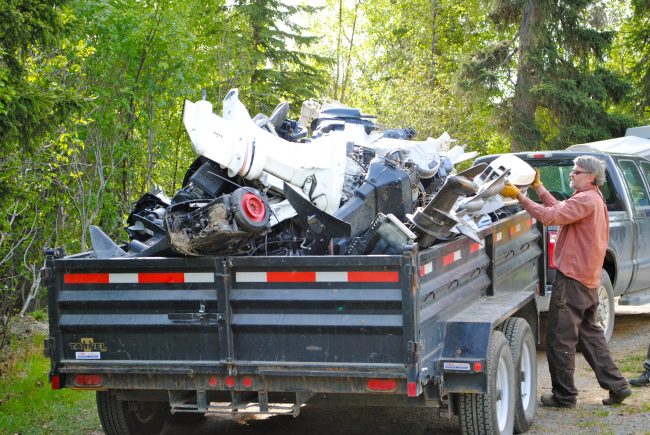
Kenai River Cleanup – Do good, have fun and see more of the Kenai Refuge. September 7 – 9. Sportsmen’s Landing, Cooper Landing.
Friends will join Alaska Fly Fishers in doing an end of season clean-up of Sportsmen Landing, and downstream beaches.
Event begins Friday evening with a potluck and music in the Sportsmen Landing/Russian River Ferry campground. After a continental breakfast Saturday morning, teams will either float the river cleaning beaches or clean around the landing, campgrounds and parking areas. The Kenai Refuge will bring at least one raft to take Friends downriver to clean refuge beaches. That evening the Alaska Fly Fishers will put on a free BBQ for all participants with prizes! Sunday at 10, Friends will sponsor a hike on the Hidden Creek Trail off Skilak Lake Road.
For more information and to sign up, contact Poppy Benson, Outreach chair, poppyb.ak@gmail.com or call (907) 299-0092. Check out our event co-sponsor’s website.
This promises to be a very fun event that will also help build an alliance with the Fly Fishers, Kenai Watershed Forum and other partners.
Filed by Betty Siegel, Friends Volunteer Coordinator
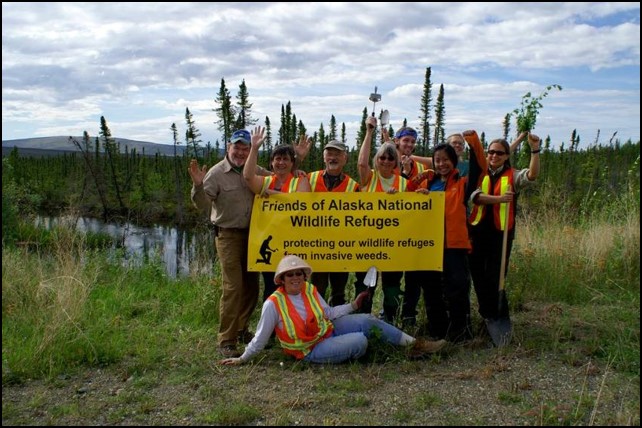
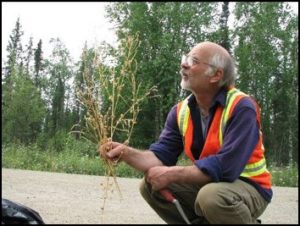
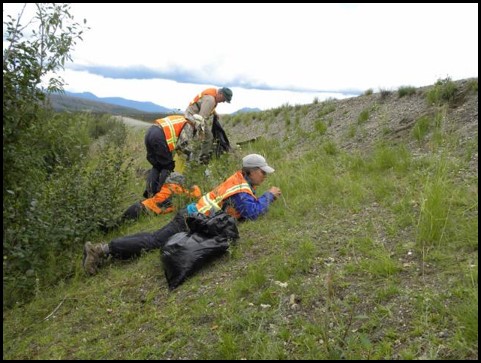
Kanuti National Wildlife Refuge’s weed pulls on the Haul Road have taken place every summer since August 2006 with dozens of Friends volunteering for the 24 opportunities. After that initial project involving various agencies such as USFWS, BLM, NPS, AmeriCorps, and others, weed pulls occurred twice each year until June 2018 from the Kanuti River MP 105.8 (just south of the Arctic Circle) north to most recently the Dietrich River MP 207(north of the community of Wiseman), more than 100 miles. Recent efforts to eliminate all seed production were concentrated on all river crossings and culverts which moved westward toward the Kanuti Refuge. Staff and Friends of Alaska National Wildlife Refuges (Friends) and others were concerned these waterways would become routes for dispersal of invasive White Sweet clover (Melilotus alba) into the Refuge. This non-native plant readily invades open and disturbed areas and has established extensive areas along early successional, gravel river bars elsewhere in Alaska and rapidly colonized the Dalton Highway corridor. In addition, invasive Bird Vetch (Viccia cracca) is growing within the Dalton Highway Corridor and downriver. These populations are all expanding. Control efforts have focused on manual pulling, but have also included mechanical and cultural control.
The current political climate has resulted in decreased funding for refuges and other public lands. This translated to many staffing shortages and cuts to various programs each year. Now this shortage has made it impossible to continue the project in 2018. Additionally, refuge staff indicate future efforts may include conducting early detection/rapid response surveys along rivers downstream of the Dalton Highway and within the Refuge so any newly established colonies of invasive plants can be controlled and eliminated quickly. They hope to involve Friends as these plans are developed so that there may be some volunteer opportunities in 2019.
During the 14 years volunteers signed on to work outside along the highway removing white sweet clover and bird vetch for long hours in dirty, dusty, hot or cold, wet or dry, occasionally smoky, and frequently buggy conditions, sleeping in dry cabins, going without showers. Many returned to do it all again as the benefits were tremendous, primarily having the experience of just being up there. There were opportunities for berrying, wildlife viewing, fishing, cooling off in the rivers, hiking, traveling to the grandeur of Atigun Pass, visiting Wiseman, Galbraith Lake, and Toolik Lake, and spending time in the Arctic Interagency Visitor Center (AIVC) chatting to Haul Road tourists about refuges.
And then there was the food! Huge burgers and pulled pork sandwiches and shakes at the Hot Spot on the drive from Fairbanks to Coldfoot; breakfast and lunch makings and snacks provided by the refuge; and those fantastic Coldfoot Camp Buffets for dinner!
Perhaps the biggest rewards were the friendships that developed over the shared experiences: Staff from all three Fairbanks refuges, AIVC staff, and Friends volunteers worked side by side, from managers to seasonal interns, volunteers from age 16 to “in the 70s”, all with a commitment to protect our public lands and our wildlife for ourselves and future generations.
While I’m sad for this project to end suddenly, I look forward to hearing about alternative projects for monitoring/control. Stay tuned!
-Betty Siegel (So fortunate to have participated in 22 of the 24 weed pulls!)
Trip Report by Friends Volunteer John Hudson, with photos by USFWS/Allyssa Morris
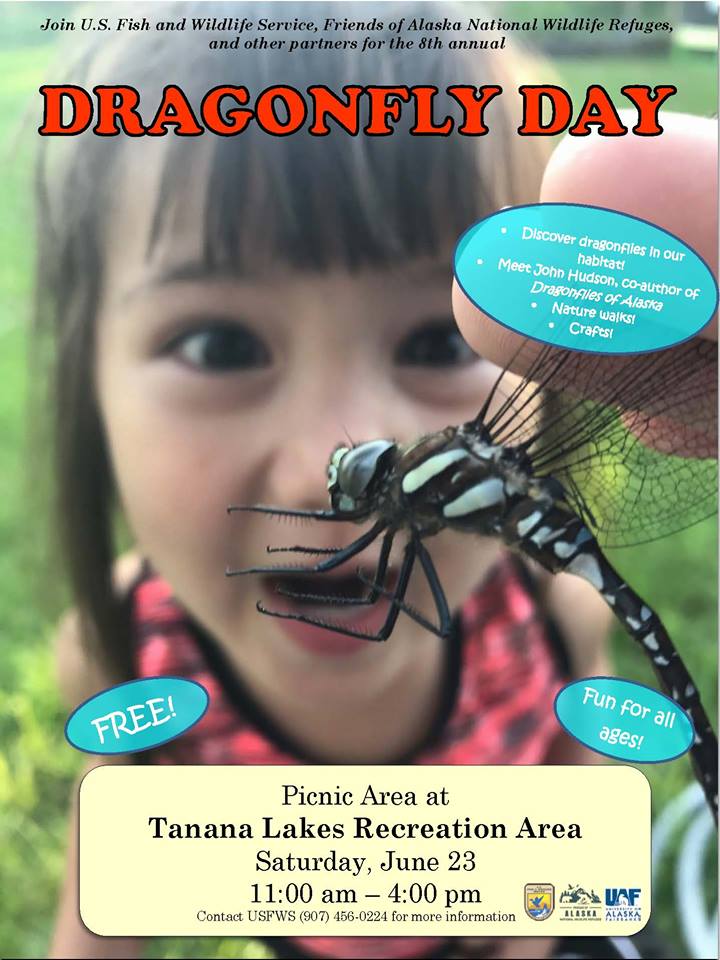
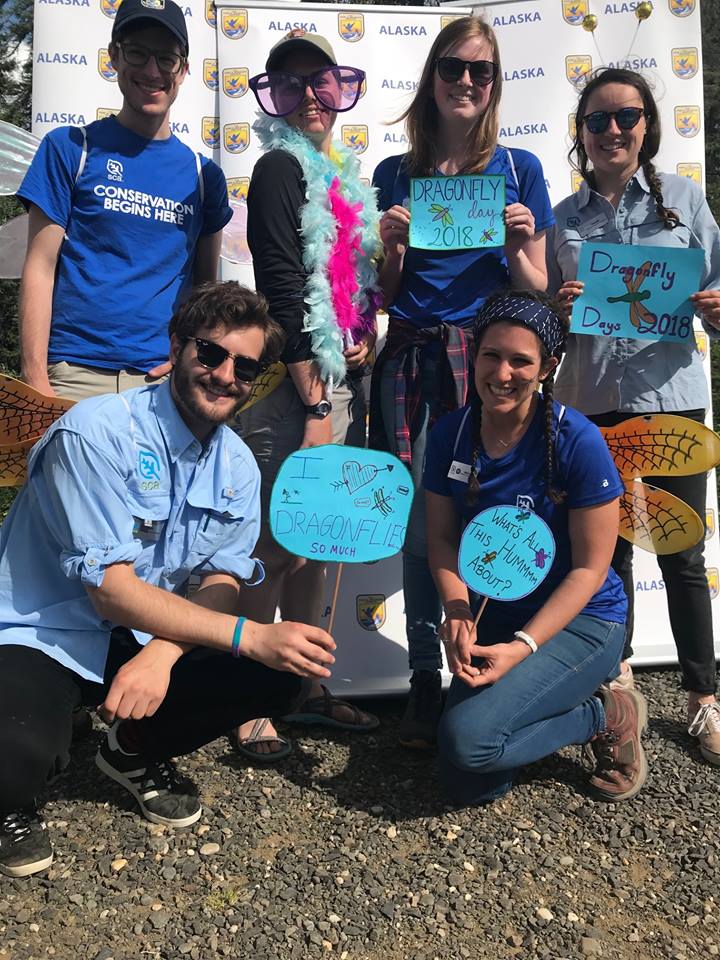
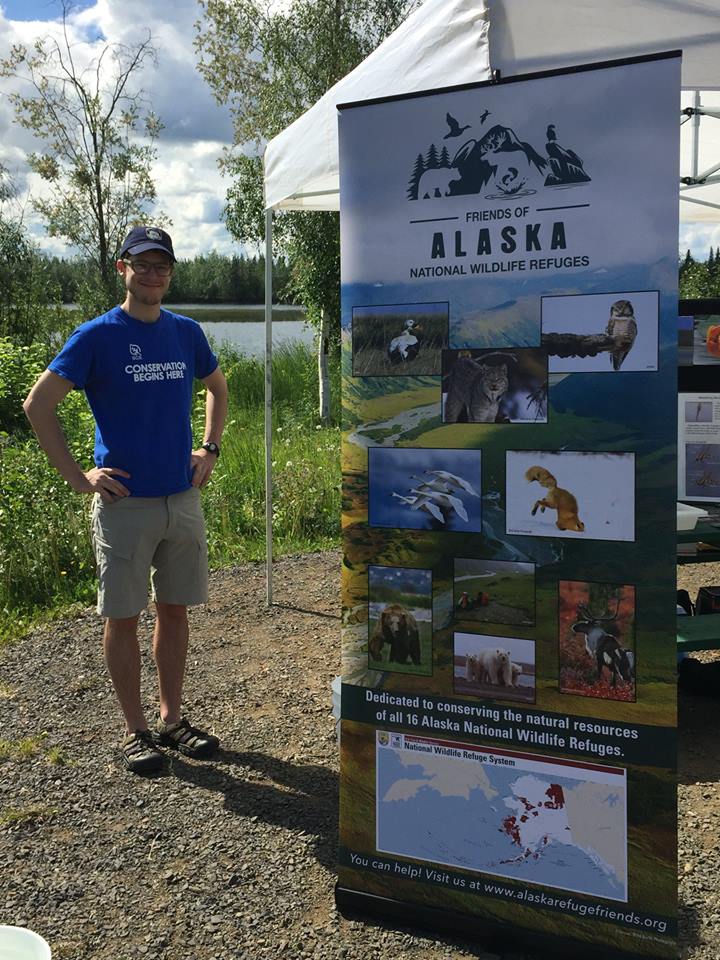
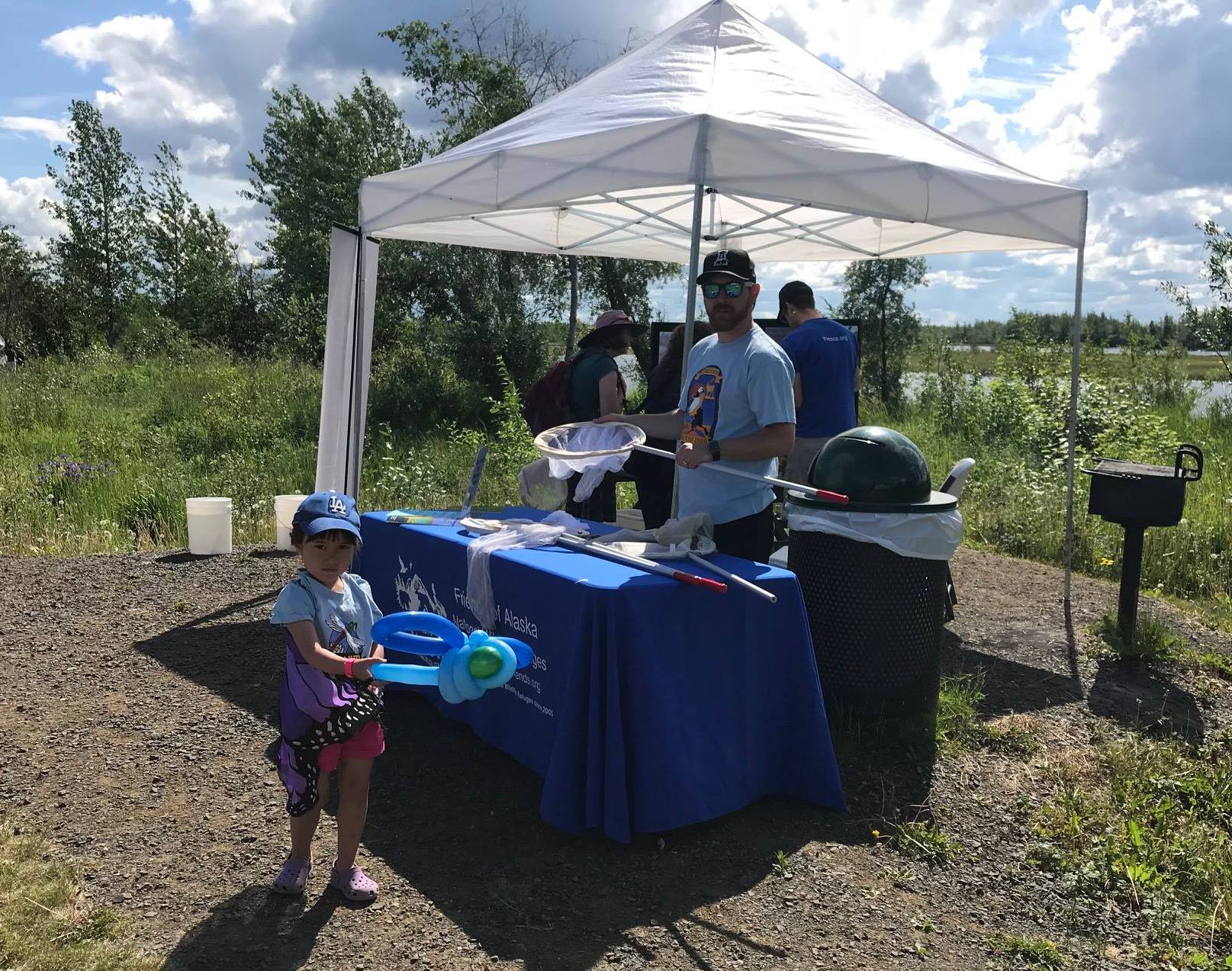
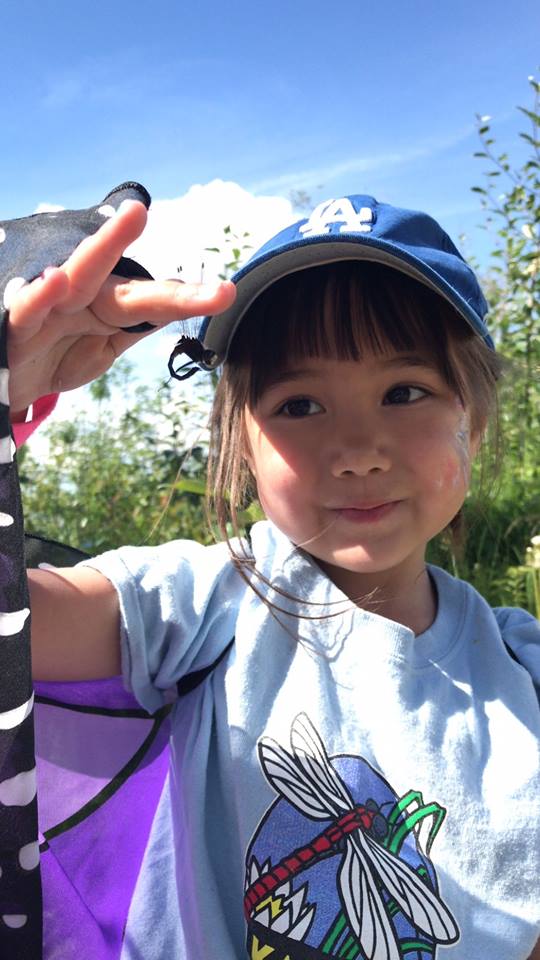
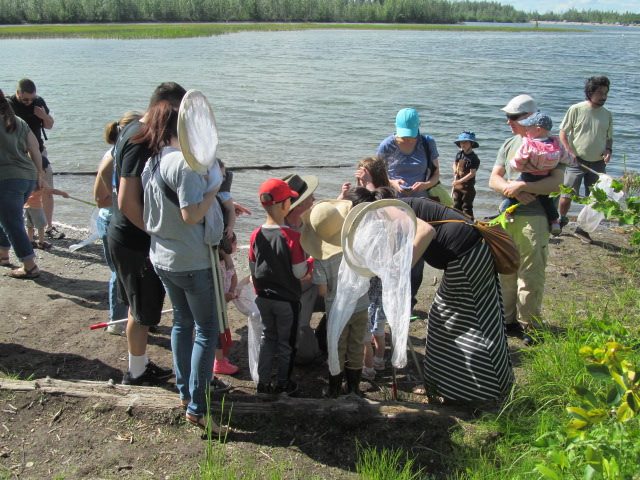
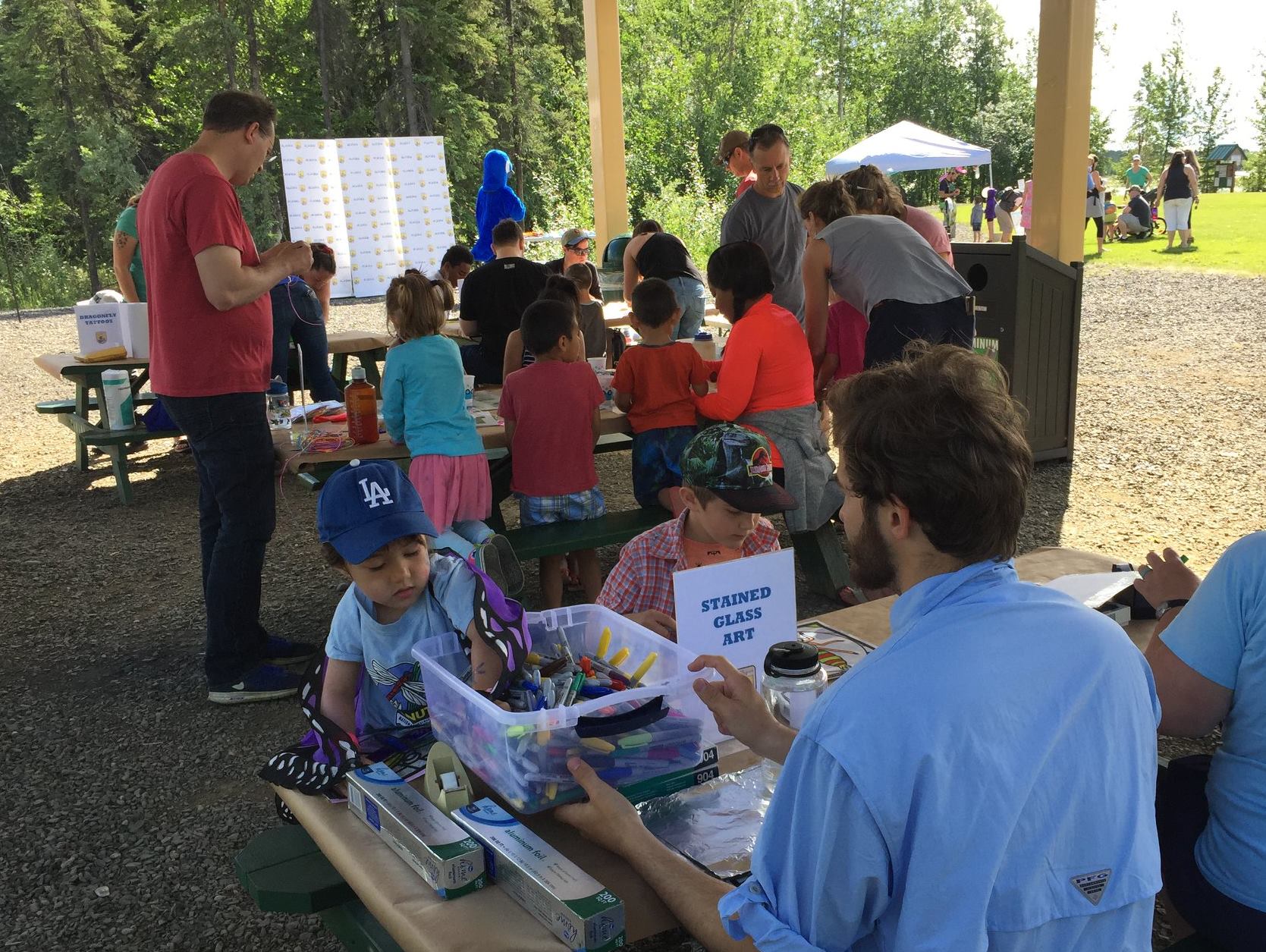
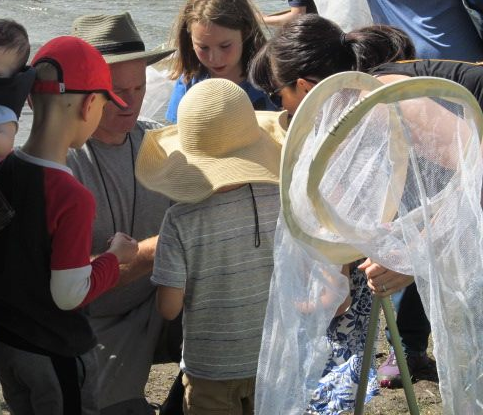
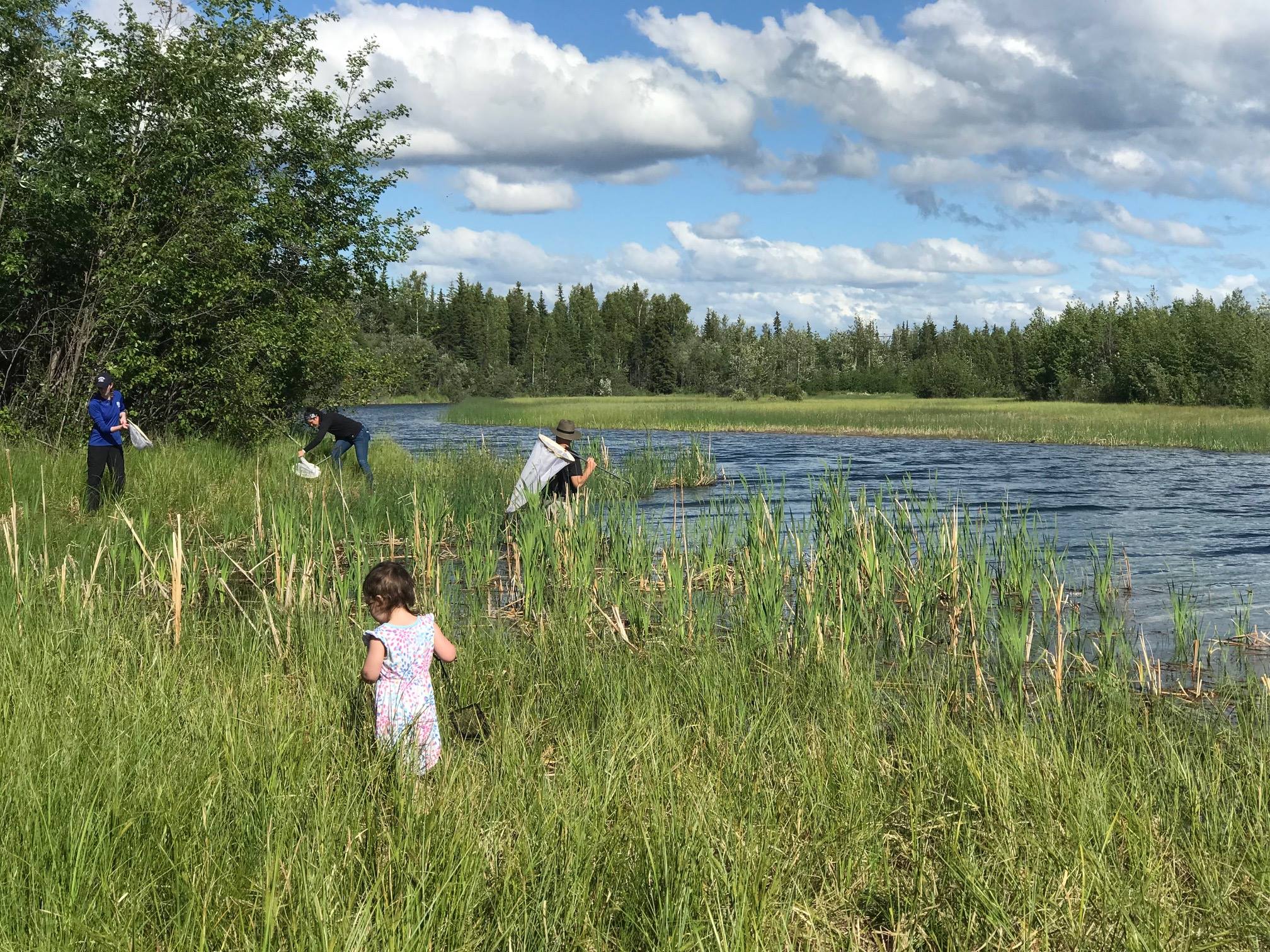
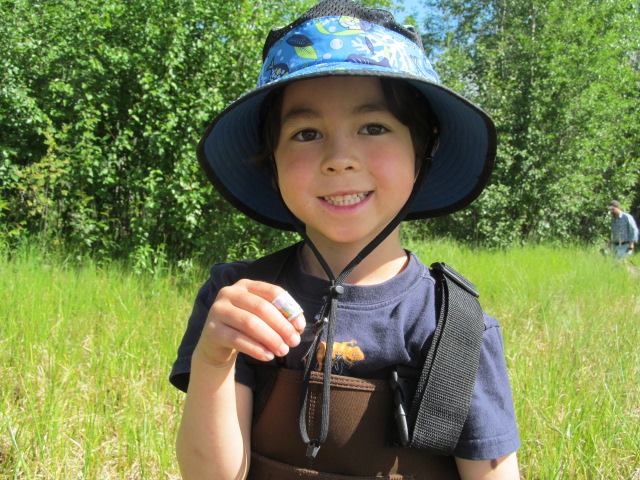
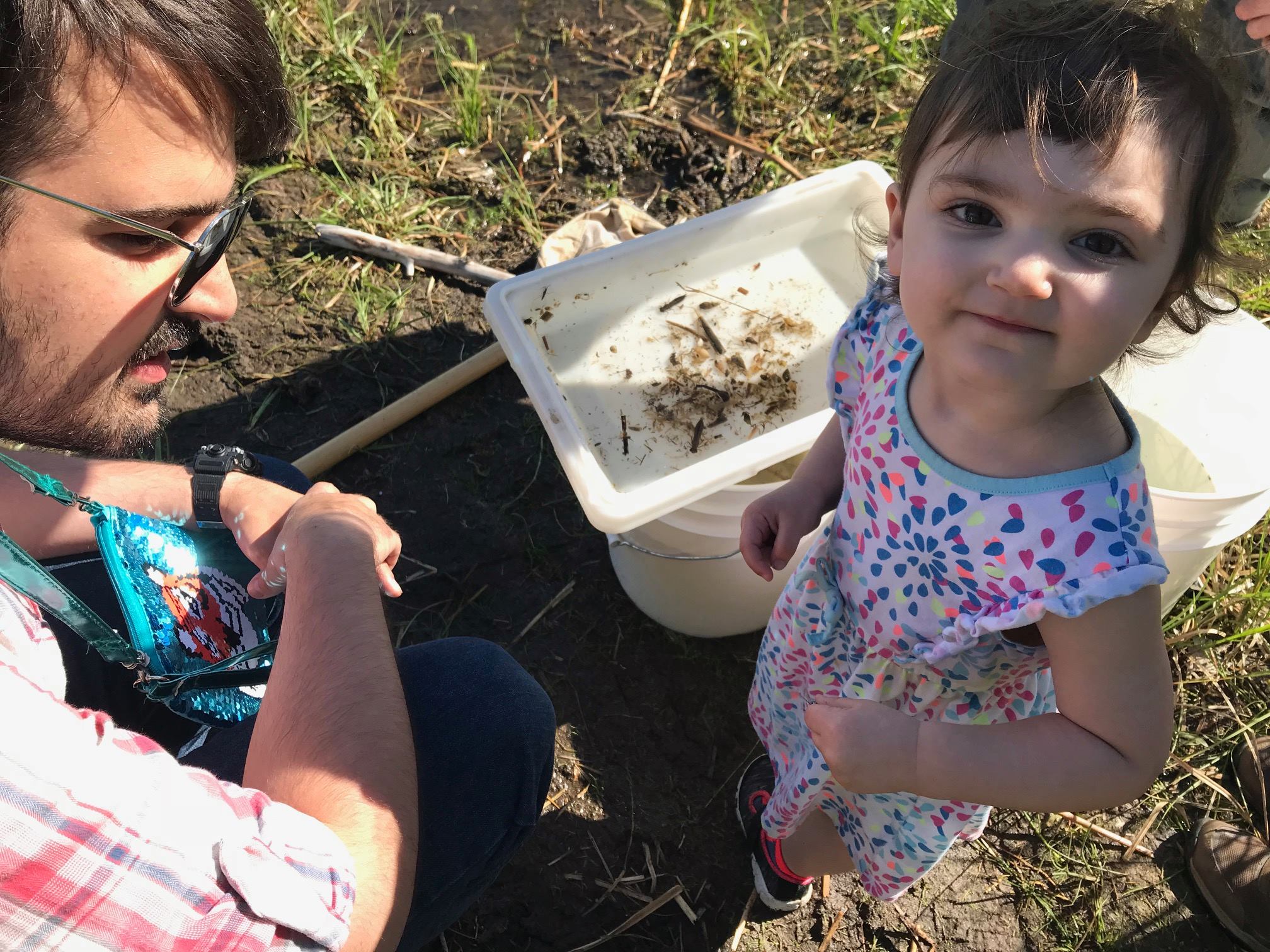
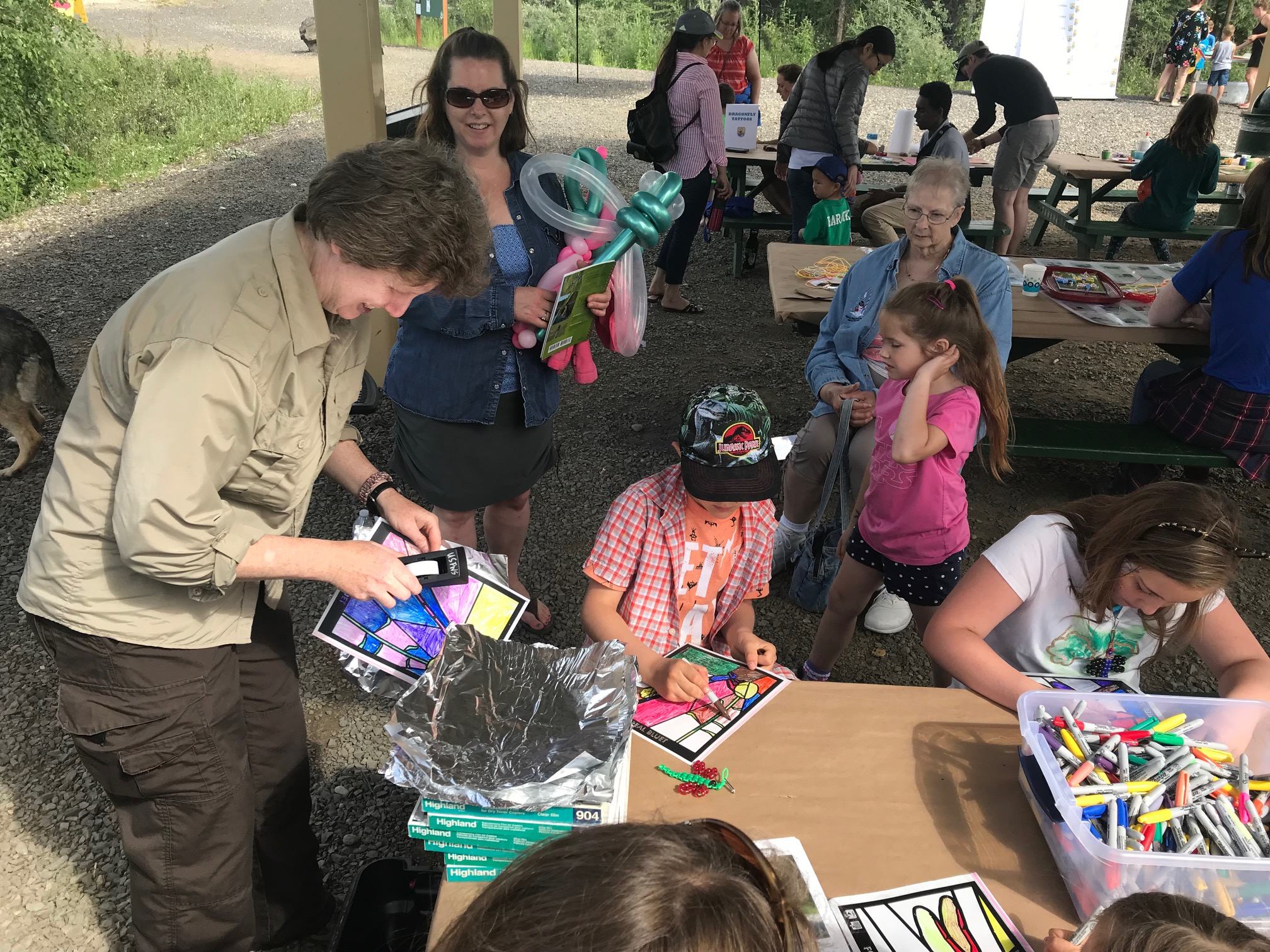
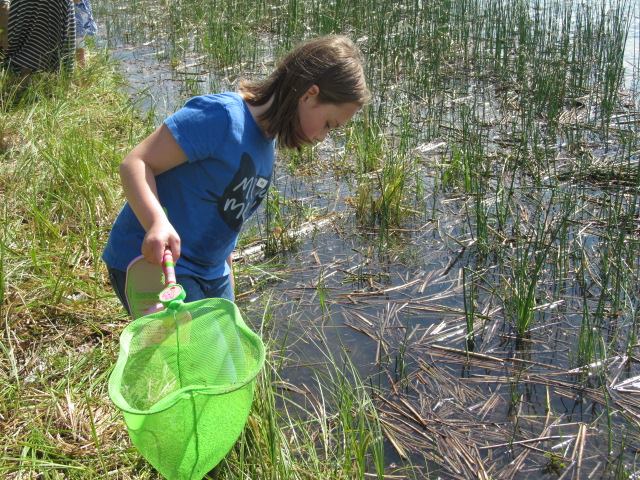
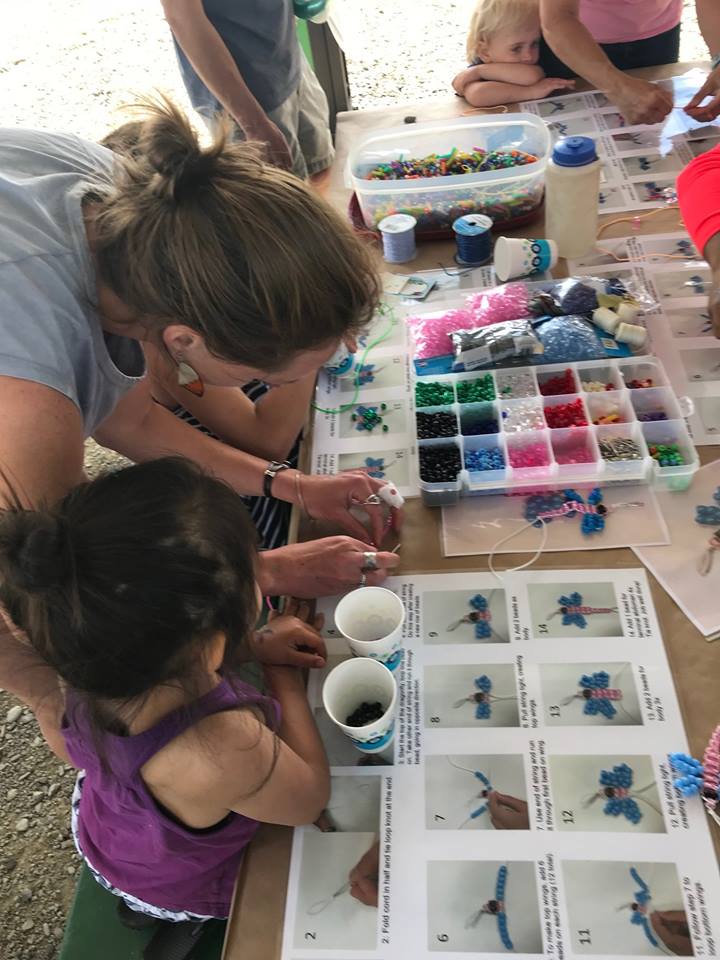
The 8th Annual Dragonfly Day took play on Saturday, June 23rd at Tanana Lakes Recreation Area, 11am-4pm. Over 350 people attended this event, enjoying a variety of activities including: face painting, dragonfly balloon art, dragonfly temporary tattoos, various arts and crafts, live dragonfly larvae and other aquatic invertebrates in a touch tank, and dragonfly collecting. Participants caught adult dragonflies with nets and held them for a closer look and to learn about their ecology, biology, and life history. The species list for the day included: Lake Darner, American Emerald, Northern Bluet, Boreal Whiteface, Hudsonian Whiteface, Belted Whiteface, Four-spotted Skimmer, Sedge Sprite, and Taiga Bluet.
People of all ages fanned out along the shoreline of one of the Tanana Lakes intent on capturing the fast-flying, colorful, and acrobatic dragonflies swarming about. Participants learned that it’s best to “swing from behind” as dragonflies use their huge eyes to see in almost every direction, but rearward. Lucky collectors reached into their nets and pulled the robust and sturdy insects out by hand, allowing them a closeup view of the holographic-like compound eyes, the spine-covered legs, and intricate wing venation. Certainly, everyone went home with a greater appreciation for dragonflies.
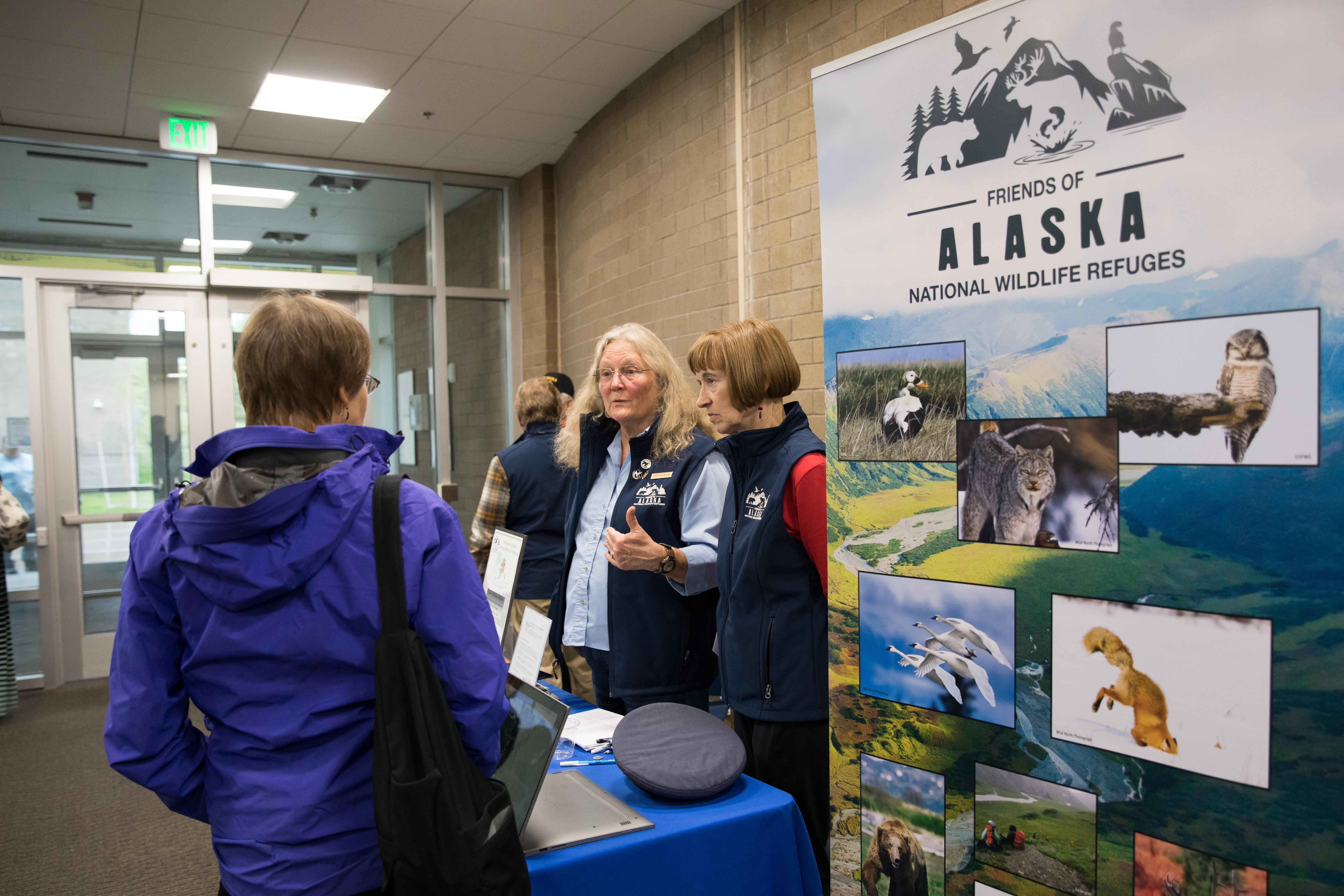
This popular event was sponsored by the three Fairbanks refuges: Arctic, Kanuti, and Yukon Flats, as well as the Friends of Alaska National Wildlife Refuges, US National Park Service, Student Conservation Association, and University of Alaska Fairbanks.
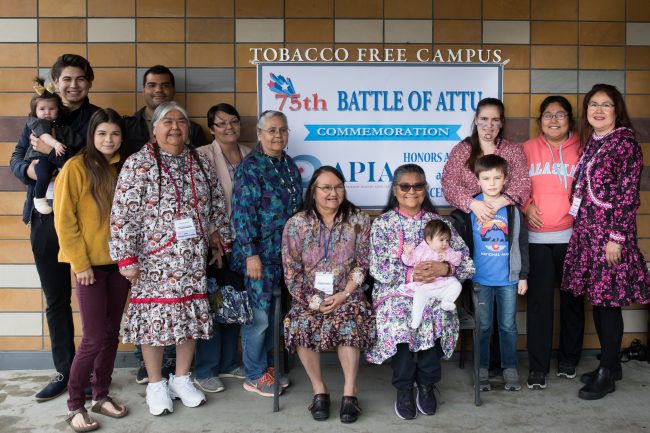
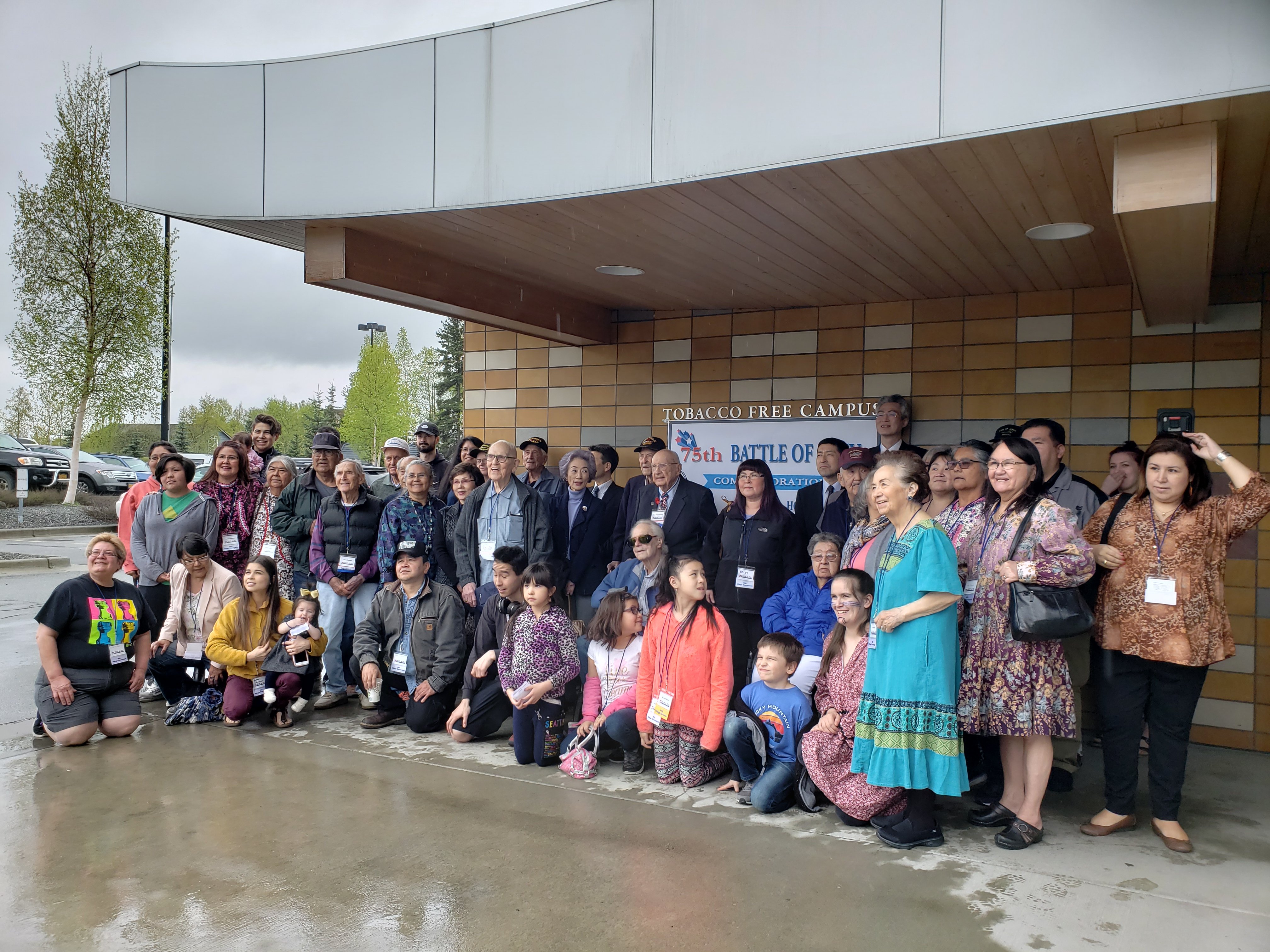
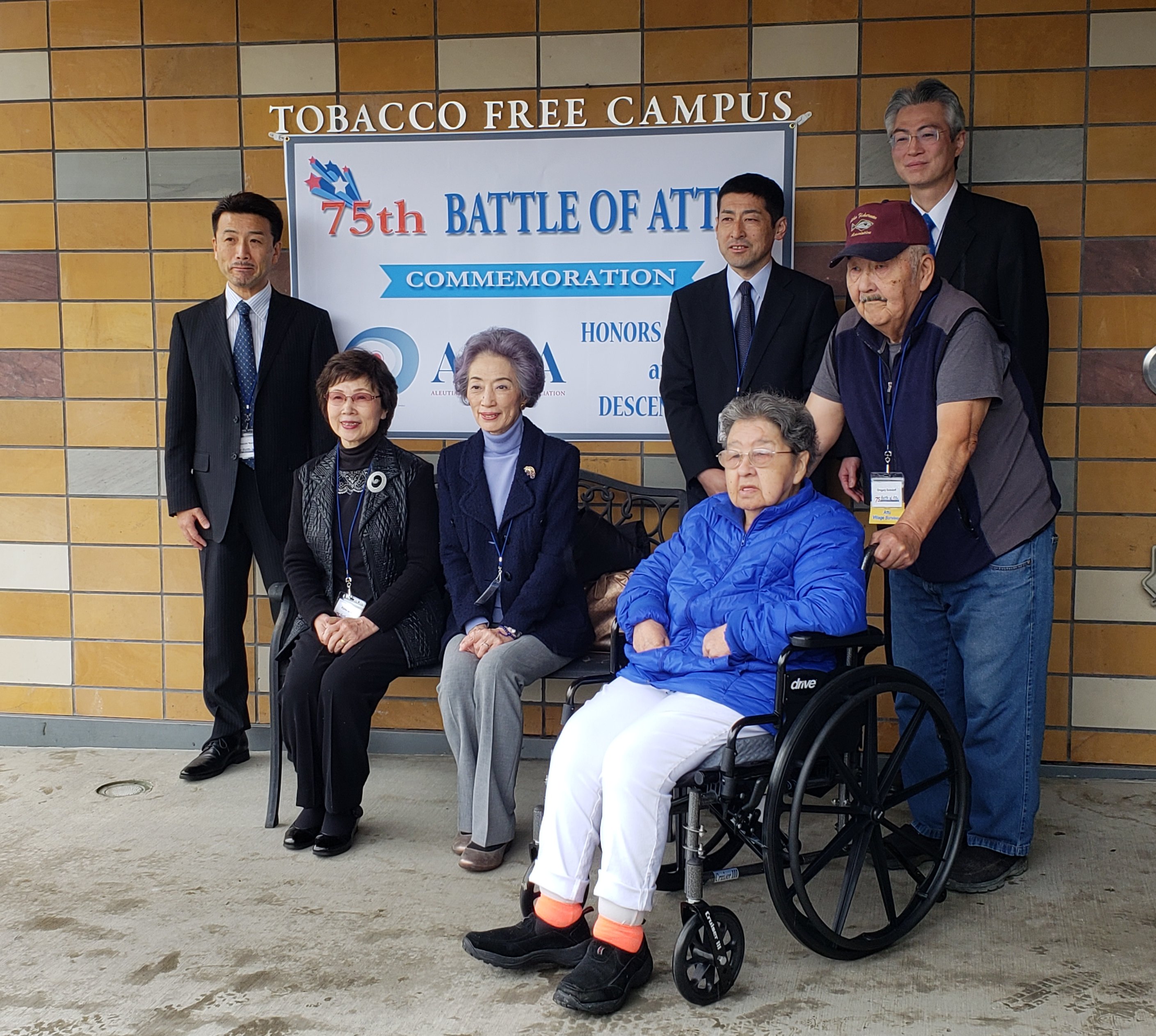
Friends welcome and assist special guests of the Battle of Attu 75th Anniversary Commemoration
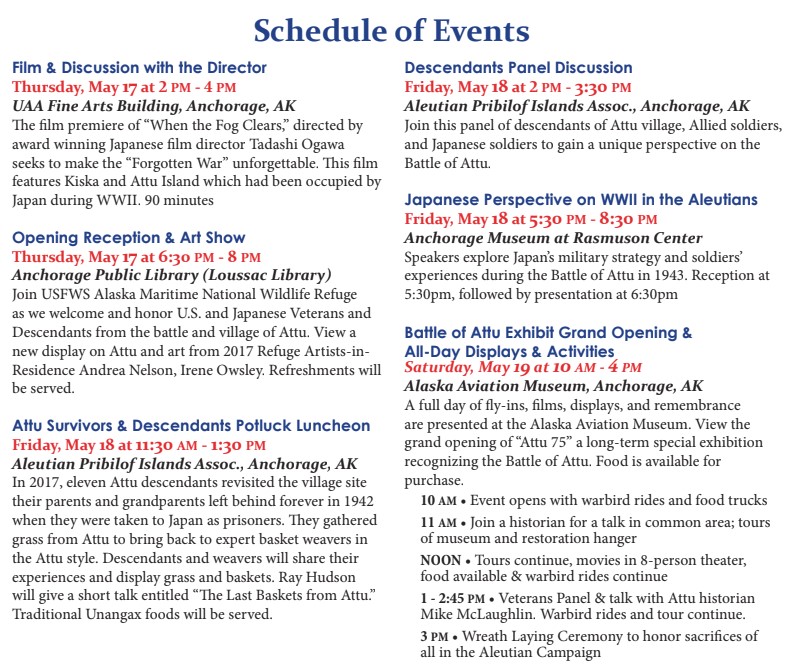
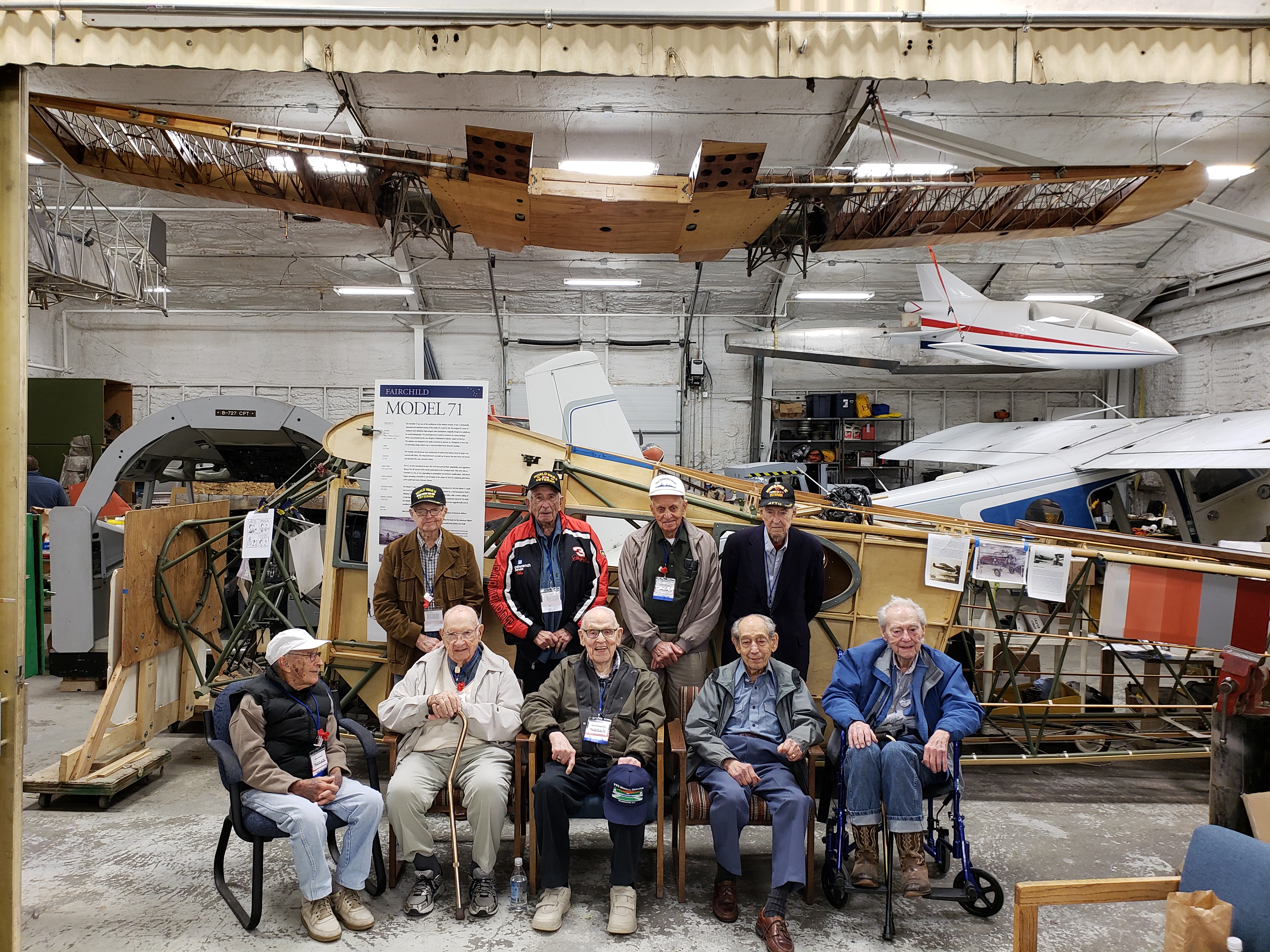
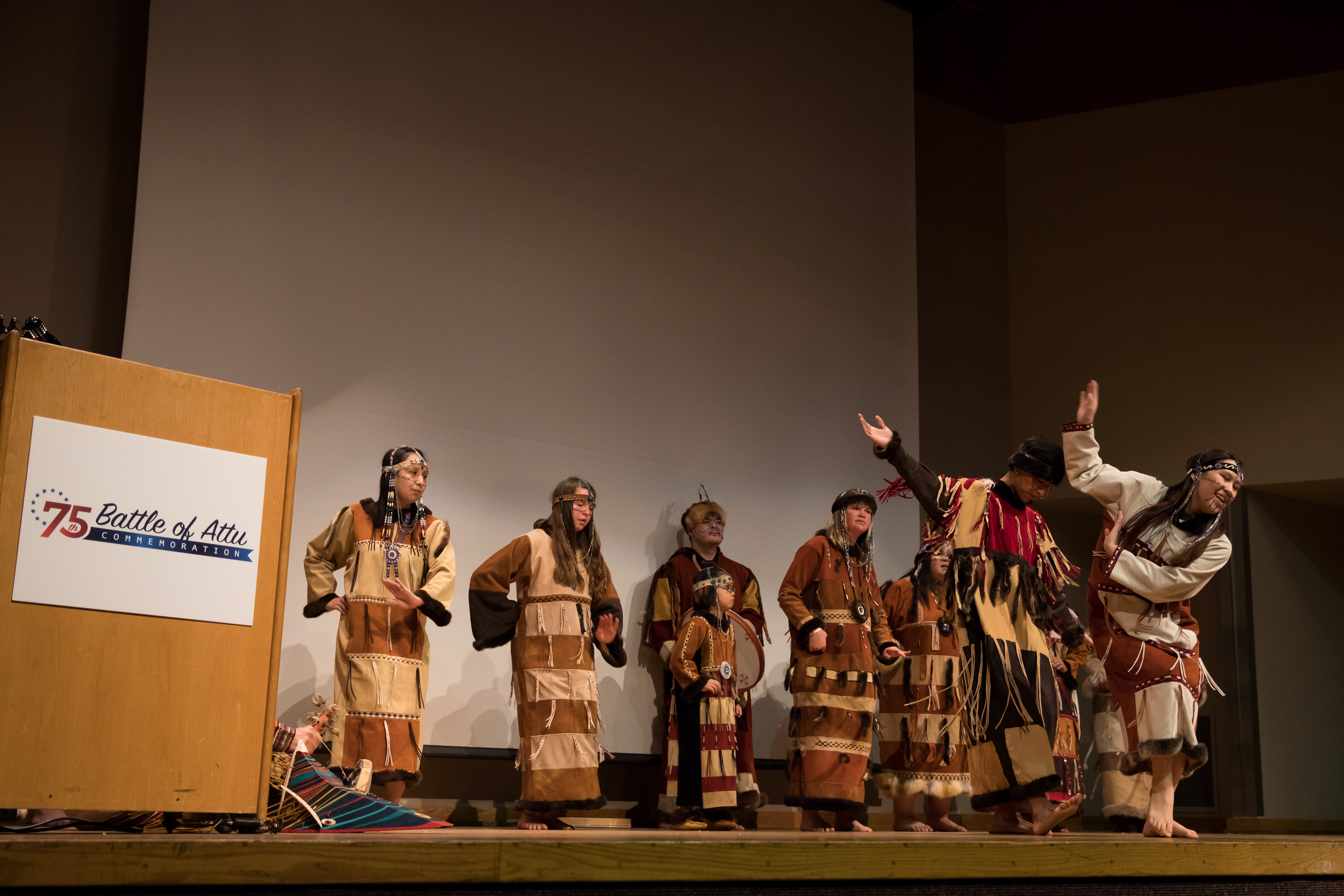
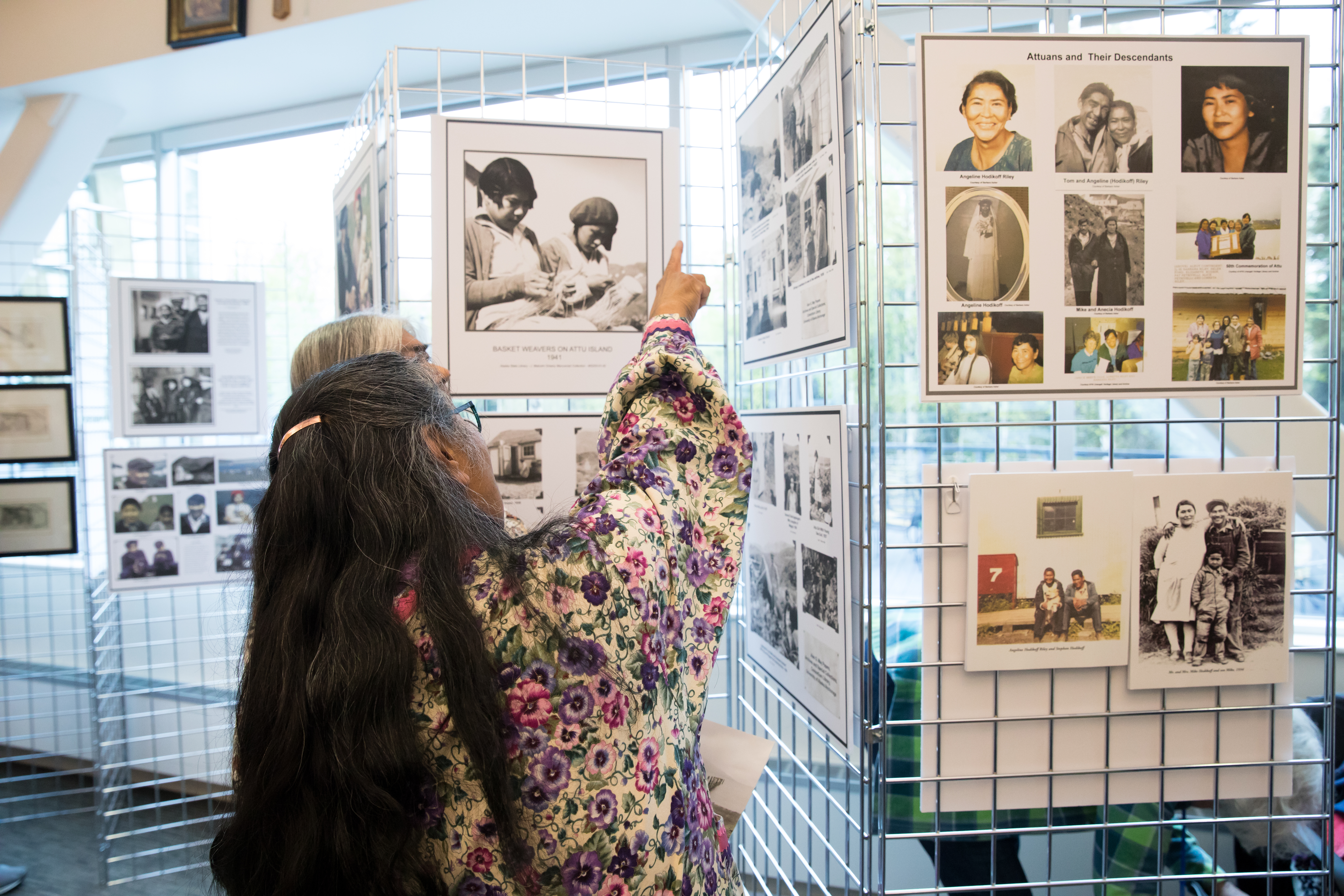
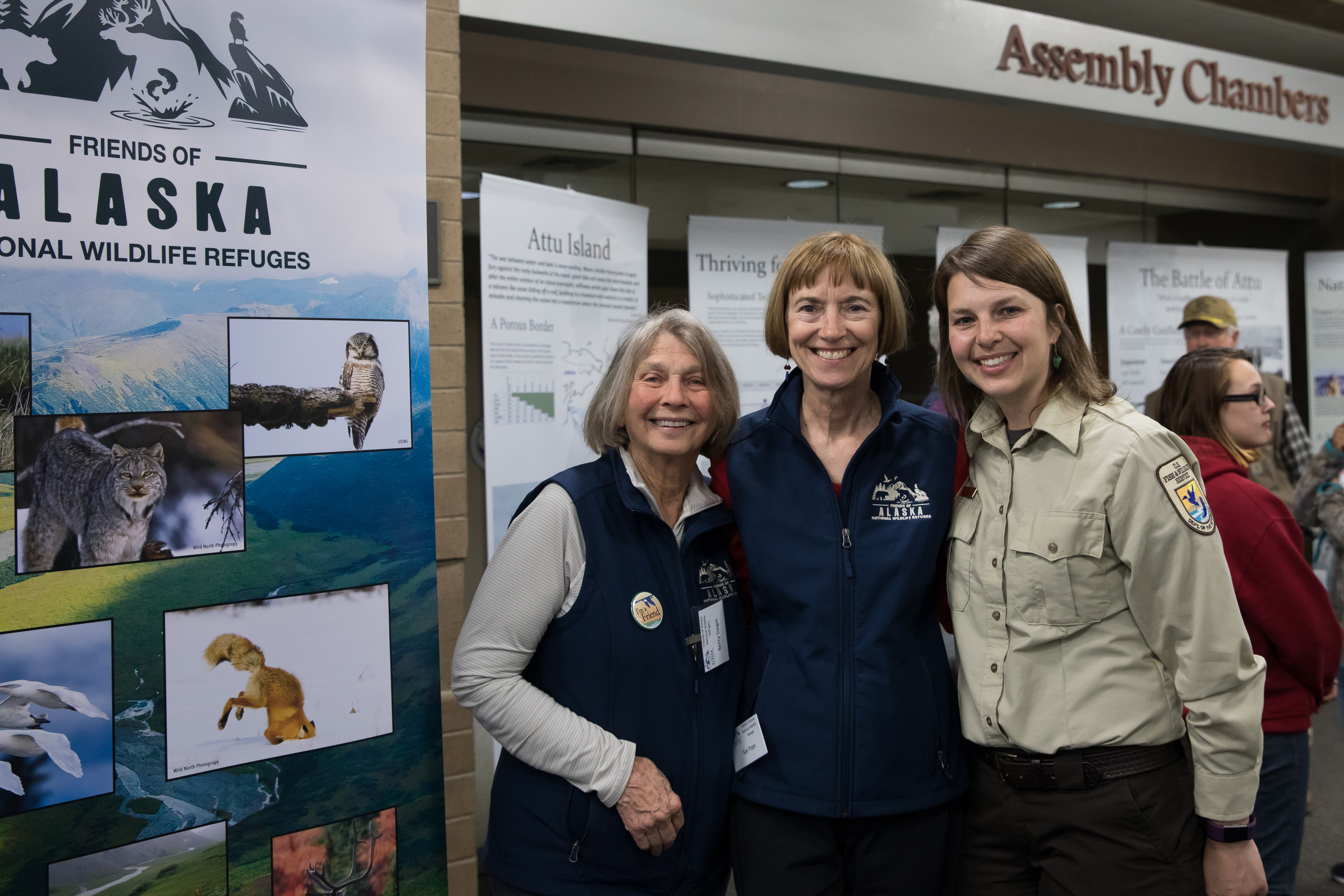
May 2018 marked the 75th anniversary of the Battle of Attu. The forgotten battle on a wildlife refuge in Alaska was the only ground battle of WWII to take place on American soil. Alaska Maritime National Wildlife Refuge partnered with National Park Service and many other organizations to sponsor and organize three days of free public events at five venues in Anchorage. Alaska Maritime requested Friends advertise on our website for recruitment of volunteers to greet visitors, hand out programs, and escort special guests to reserved seating and deal with any special needs of the guests who included nine Battle of Attu Veterans, Attu Village survivors and descendants, and Japanese soldiers’ descendants. Three Friends members (Chuck Iliff, Tom Choate and I, Betty Siegel) volunteered and worked the full three days to help things run smoothly.
Some highlights included:
Meeting and assisting the veterans who ranged in age from 95 to 102 years. They were humble, interesting, funny, and appreciative;
Watching the Unangax dancers and hearing the Unifying Peace Messages by the Attu veteran, the grandson of a Japanese soldier, and a Unangan elder at the Loussac Library program;
Attending the World Premiere of the documentary “When the Fog Clears,” by award winning Japanese film-maker Tadashi Ogawa, meeting him and talking with him about the film;
The Closing Ceremony at the Alaska Aviation Museum. This was a very moving event, especially the presentation of Colors, the Wreath Presentation, and the beautiful renditions of the Japanese Anthem by violinist Hiroko Harada and our National and Alaska anthems by Kyle Schneider.
We three Friends Members were honored to have these and many other wonderful, once-in-a-lifetime experiences and fond memories and the opportunity to make the Attu 75th Anniversary Commemoration a success.
(Report submitted by Betty Siegel; photos by Lisa Hupp/USFWS & Betty Siegel)
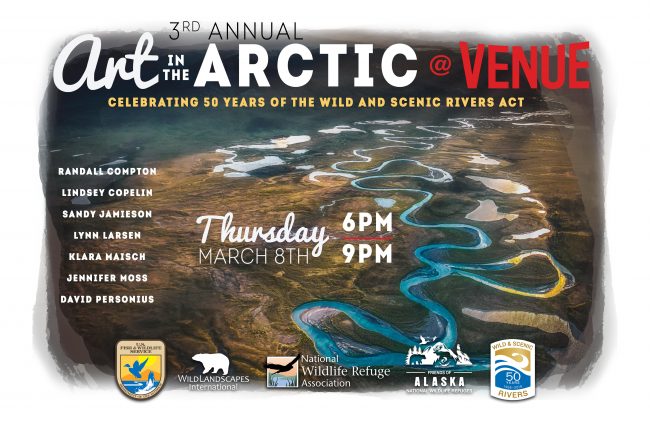
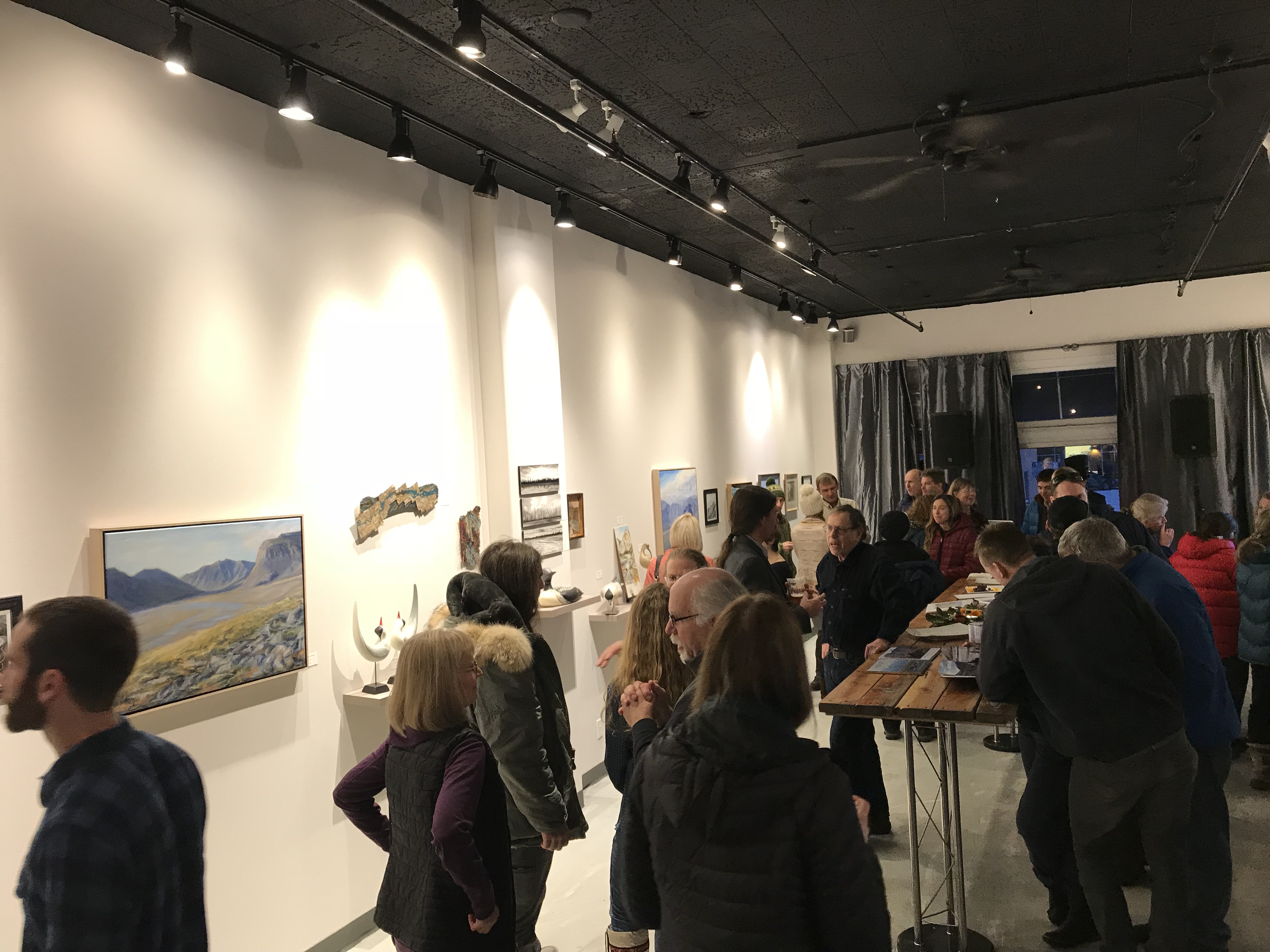
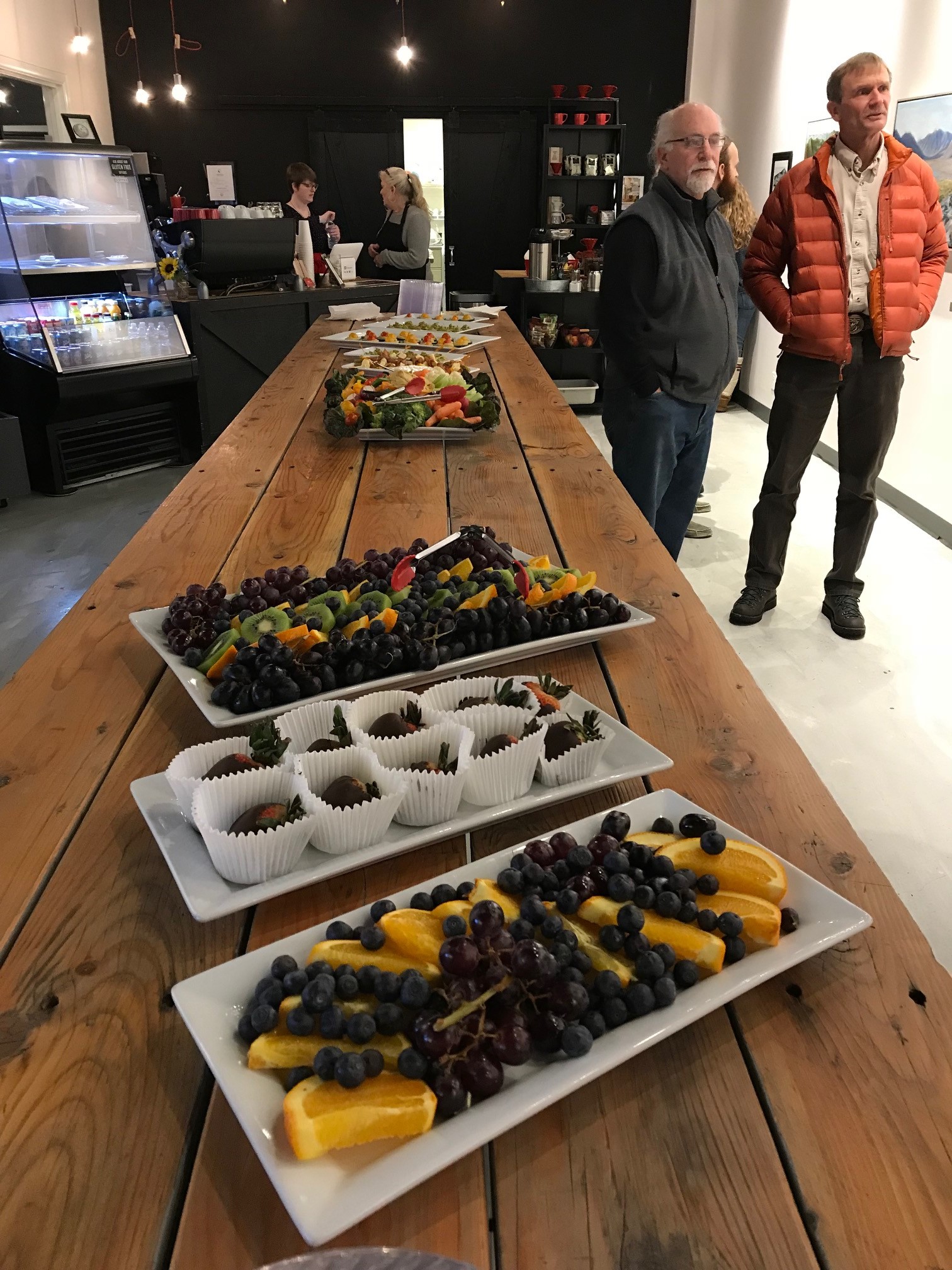
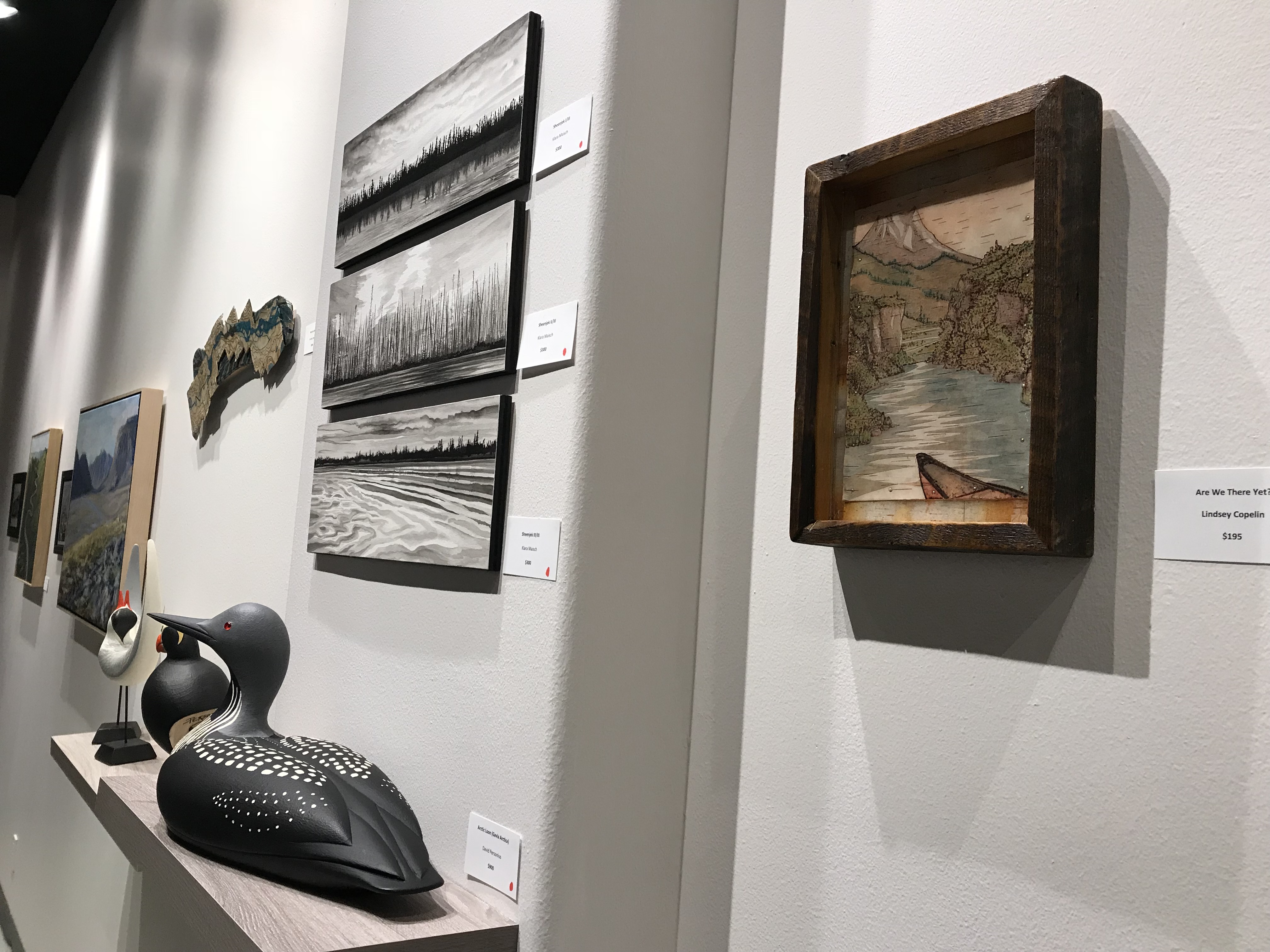
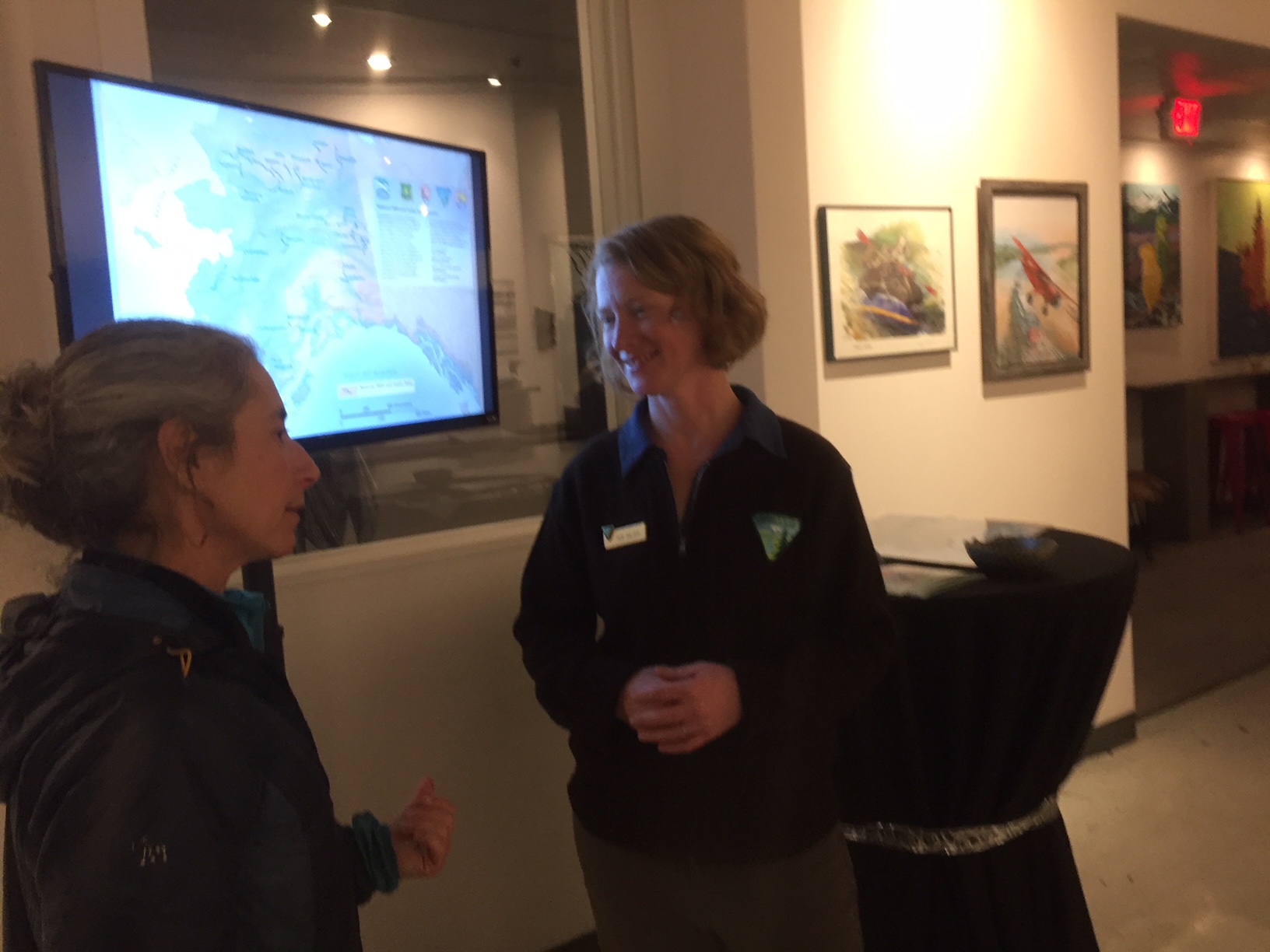
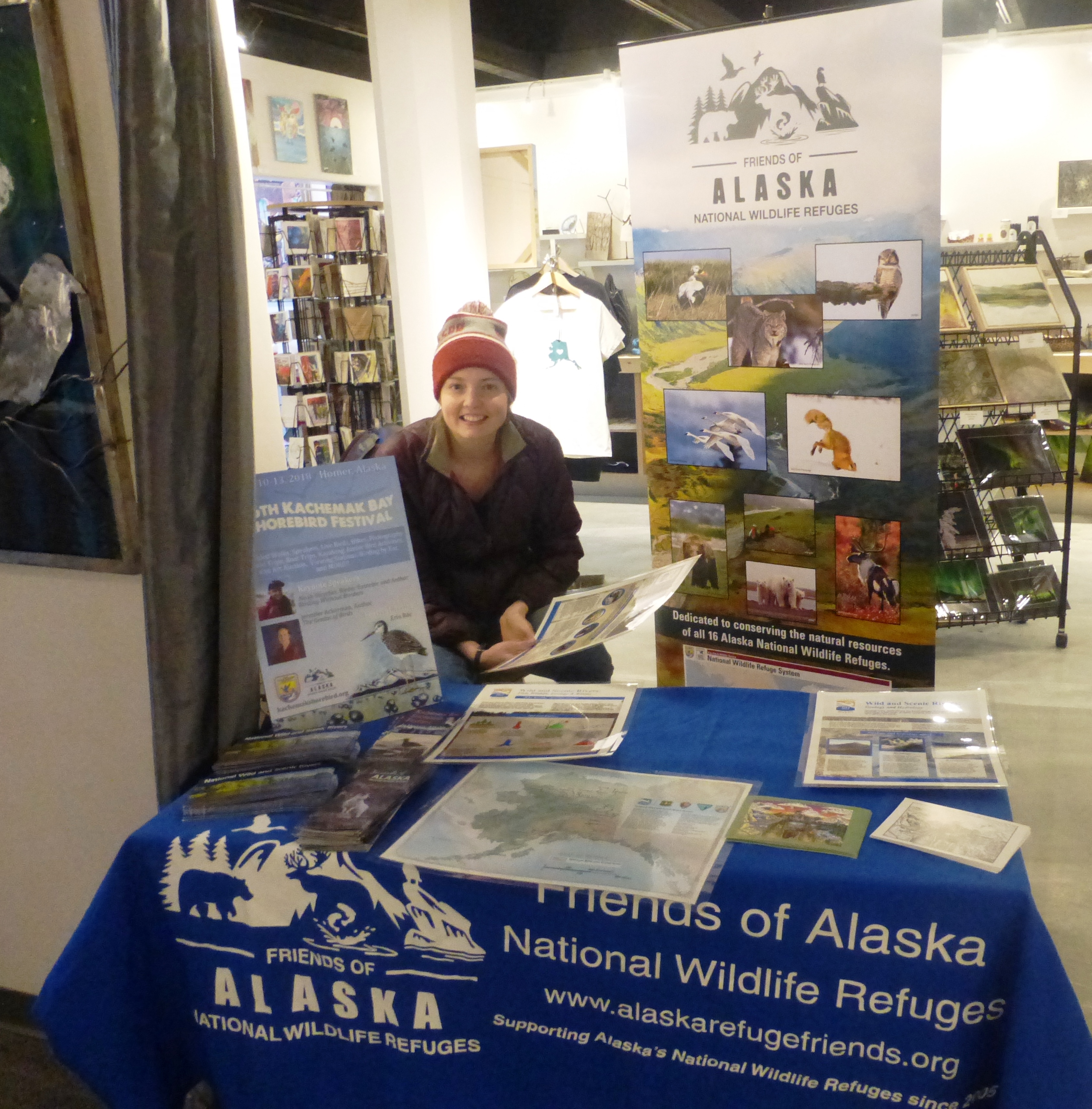
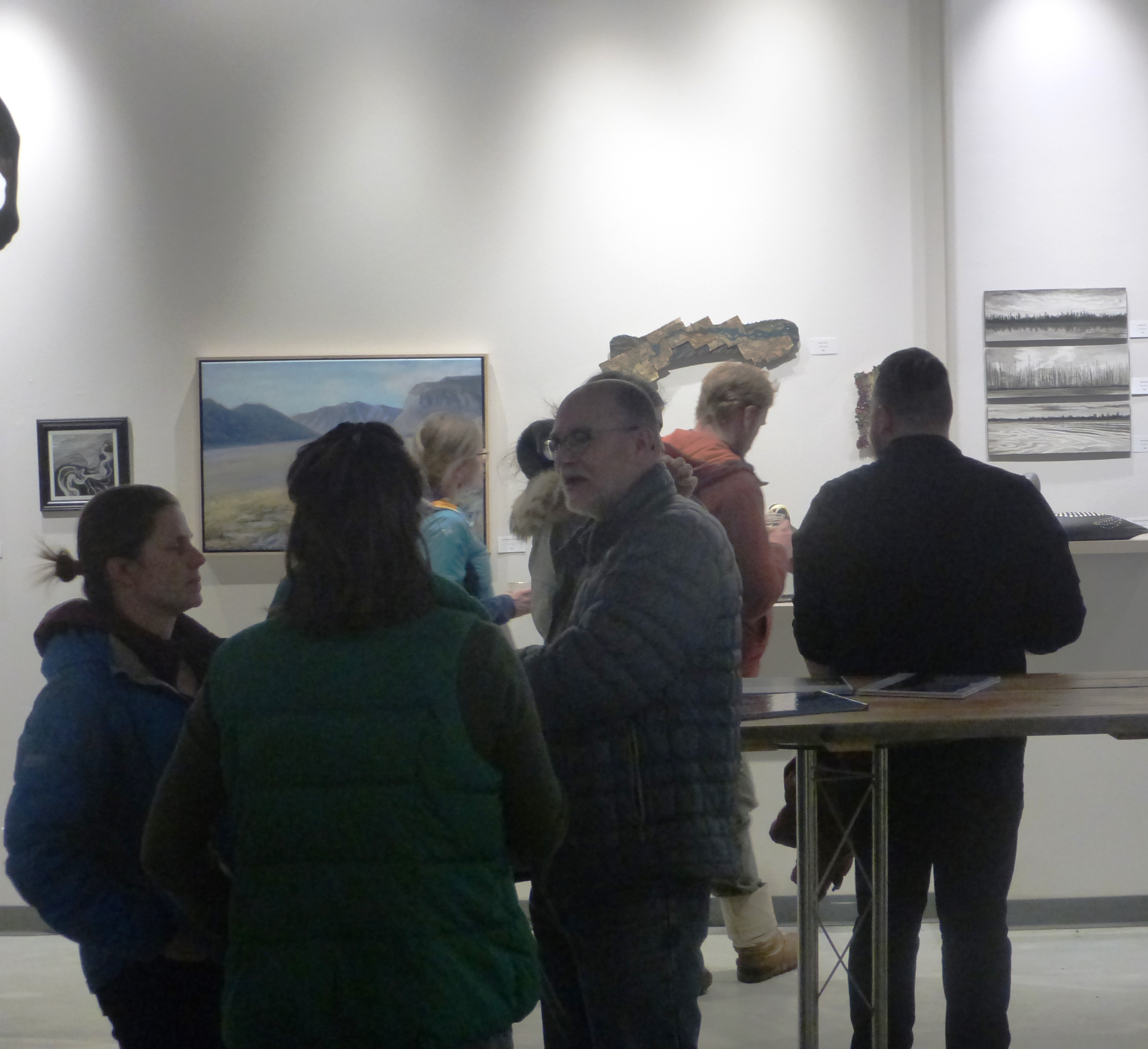
The 3rd annual Art in the Arctic show was held on March 8, 2018 at VENUE. Seven local artists were featured including Randall Compton, Lindsey Copelin, Sandy Jamieson, Lynn Larsen, Klara Maisch, Jennifer Moss, and David Personius. In celebration of the 50th Anniversary of the Wild and Scenic Rivers Act, this year’s show connected the public with the significance and history of Wild and Scenic River designation, especially within national wildlife refuges in Alaska. Artwork will remain on exhibit until the end of March.
Art in the Arctic is co-hosted by the U.S. Fish and Wildlife Service, Bureau of Land Management, WildLandscapes International, the National Wildlife Refuge Association, and the Friends of Alaska National Wildlife Refuges.
Submitted by Lisa Hupp/ USFWS – Kodiak National Wildlife Refuge
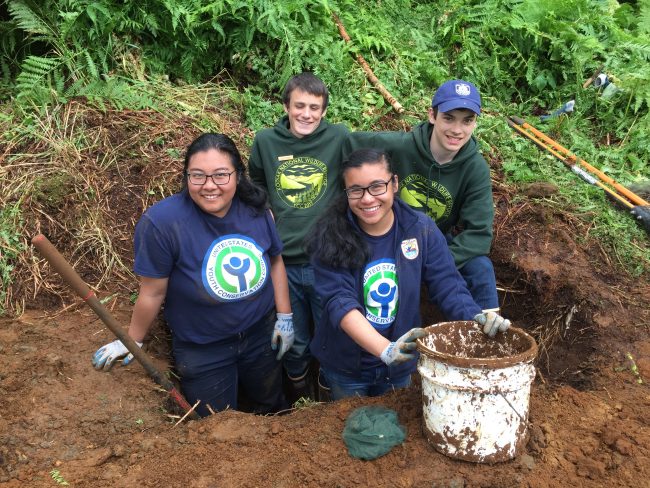
This February, three Kodiak High School students head to the big city of Anchorage to present at their first conference: the annual Alaska Forum on the Environment (AFE).
Hannah Villaroya, Keegan Ryder, and Leif King all served as crew members on the 2017 Kodiak National Wildlife Refuge Youth Conservation Corp (YCC). They will share their summer experiences working with the Refuge, and will present about their leadership role for programs such as Pop-Up Salmon Camp. Pop-up Salmon Camp is an innovative way to bring the Refuge’s popular science camp to children of Kodiak at the summer lunch program. The teens each led two stations on topics of their choice; they took the initiative to study their topic, and then developed activities and hosted over 100 participants!
The Kodiak Refuge YCC program is a service learning program for students: as they learn, they are actively engaged in efforts to either teach others what they have learned and/or to make improvements on environmental issues or needs within public lands. For example, a biologist from the Sun’aq Tribe taught them about invasive species, and the crew then helped to remove invasive crayfish from the Buskin River. They received training on trail maintenance and then helped to improve a number of trails on the Refuge and on partner public lands such as Shuyak State Park.
As many as 1,800 people are expected to participate in the 2018 Alaska Forum on the Environment, a state-wide gathering of environmental professionals and leaders. In addition to presenting at the Forum, the teens will be staff the youth-track booth and will collaborate with other youth involved in environmental projects around the state. They are scheduled to present Tuesday February 13th at 9am, and plan to have a hands-on activity for participants to create their own reusable shopping bag out of a t-shirt (an activity they learned at Kodiak’s Threshold Recycling Center).
Environmental Education Specialist Shelly Lawson will work with the teens as they prepare their presentation, and will act as chaperone for their big trip. She is a strong advocate for their participation, observing, “youth are among the most popular presenters at AFE – I think it is due to their optimism and can-do attitude. They inspire and bring hope to all in attendance.”
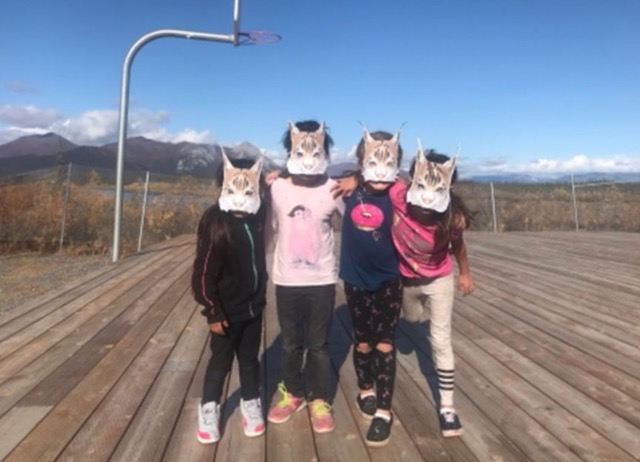
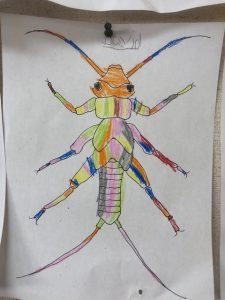 Related activities included traditional fishing and how to build a fish trap and an art project where the students did invertebrate art based on what we saw in the stream. There were also class activities and games such as learning about lynx, soundscapes and plastic pollution.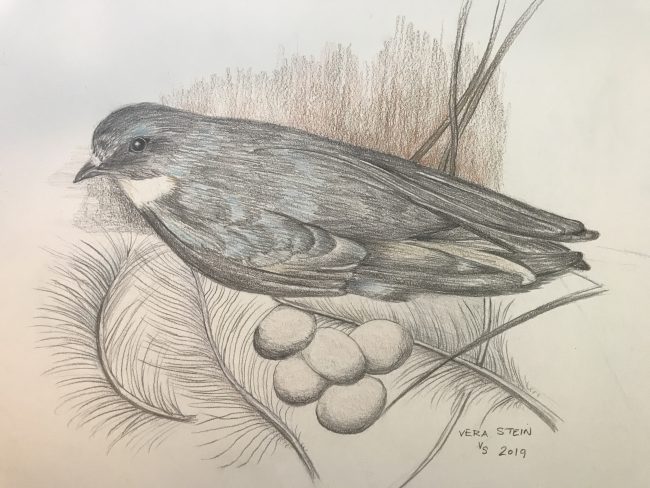
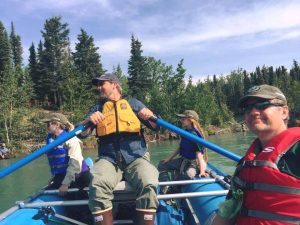 Event begins Friday evening with a potluck and music in the Sportsmen Landing/Russian River Ferry campground. After a continental breakfast Saturday morning, teams will either float the river cleaning beaches or clean around the landing, campgrounds and parking areas. The Kenai Refuge will bring at least one raft to take Friends downriver to clean refuge beaches. That evening the Alaska Fly Fishers will put on a free BBQ for all participants with prizes! Sunday at 10, Friends will sponsor a hike on the Hidden Creek Trail off Skilak Lake Road.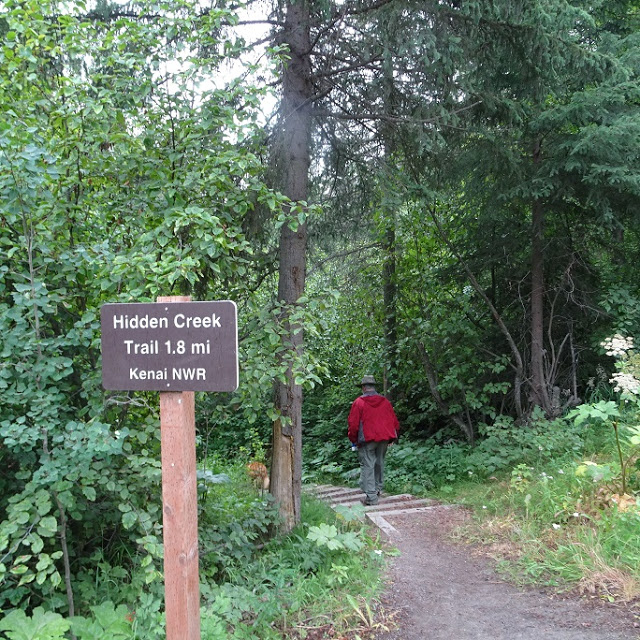
 Kanuti National Wildlife Refuge’s
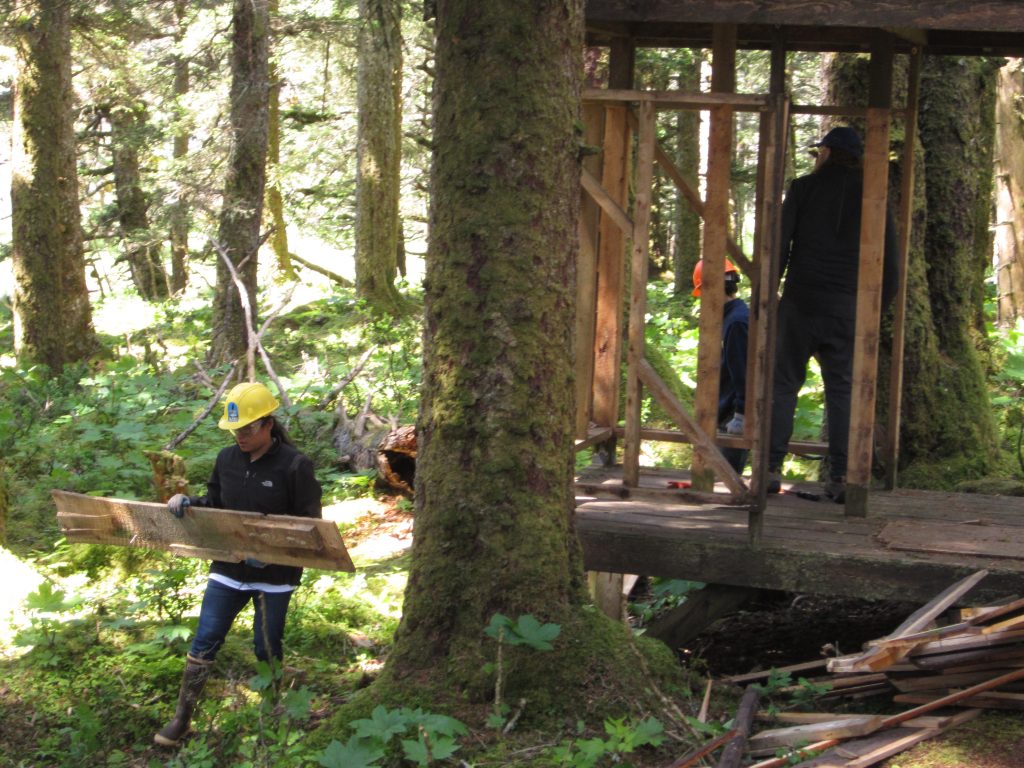
 During the 14 years volunteers signed on to work outside along the highway removing white sweet clover and bird vetch for long hours in dirty, dusty, hot or cold, wet or dry, occasionally smoky, and frequently buggy conditions, sleeping in dry cabins, going without showers. Many returned to do it all again as the benefits were tremendous, primarily having the experience of just being up there. There were opportunities for berrying, wildlife viewing, fishing, cooling off in the rivers, hiking, traveling to the grandeur of Atigun Pass, visiting Wiseman, Galbraith Lake, and Toolik Lake, and spending time in the Arctic Interagency Visitor Center (AIVC) chatting to Haul Road tourists about refuges.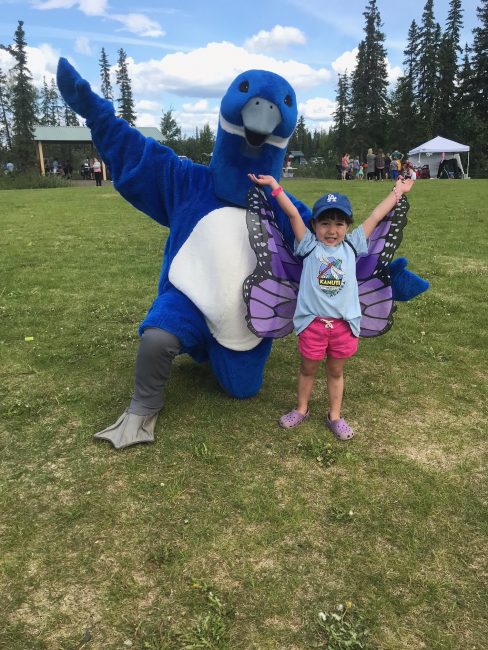


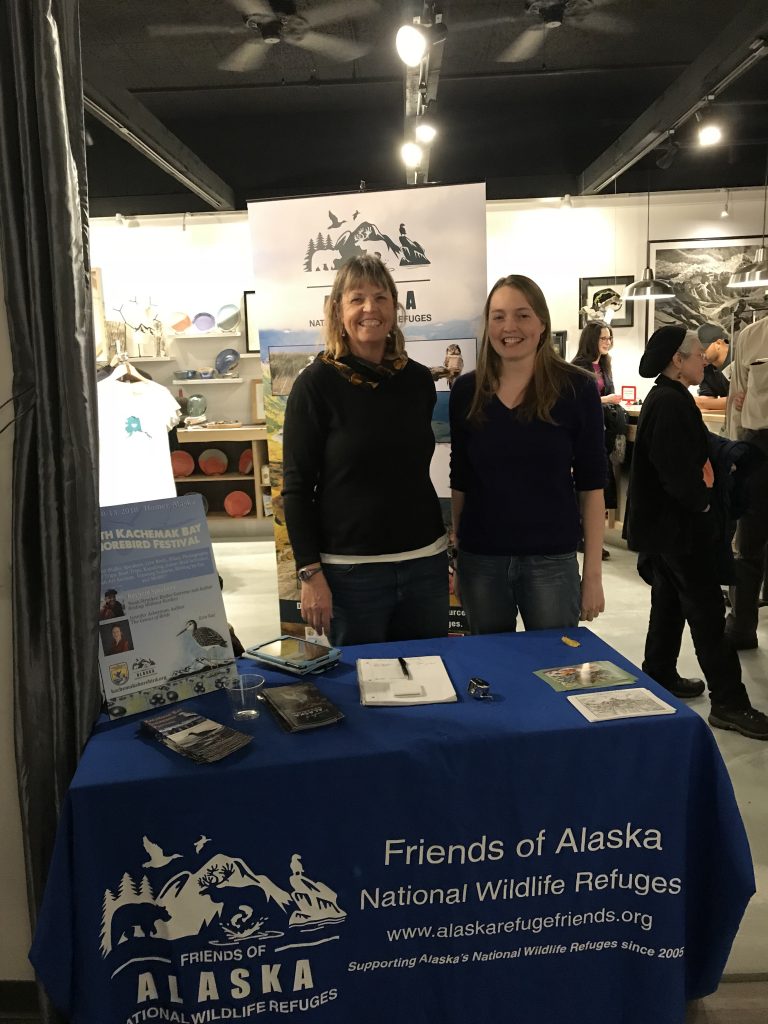 The 3rd annual Art in the Arctic show was held on March 8, 2018 at VENUE. Seven local artists were featured including Randall Compton, Lindsey Copelin, Sandy Jamieson, Lynn Larsen, Klara Maisch, Jennifer Moss, and David Personius. In celebration of the 50th Anniversary of the Wild and Scenic Rivers Act, this year’s show connected the public with the significance and history of Wild and Scenic River designation, especially within national wildlife refuges in Alaska. Artwork will remain on exhibit until the end of March.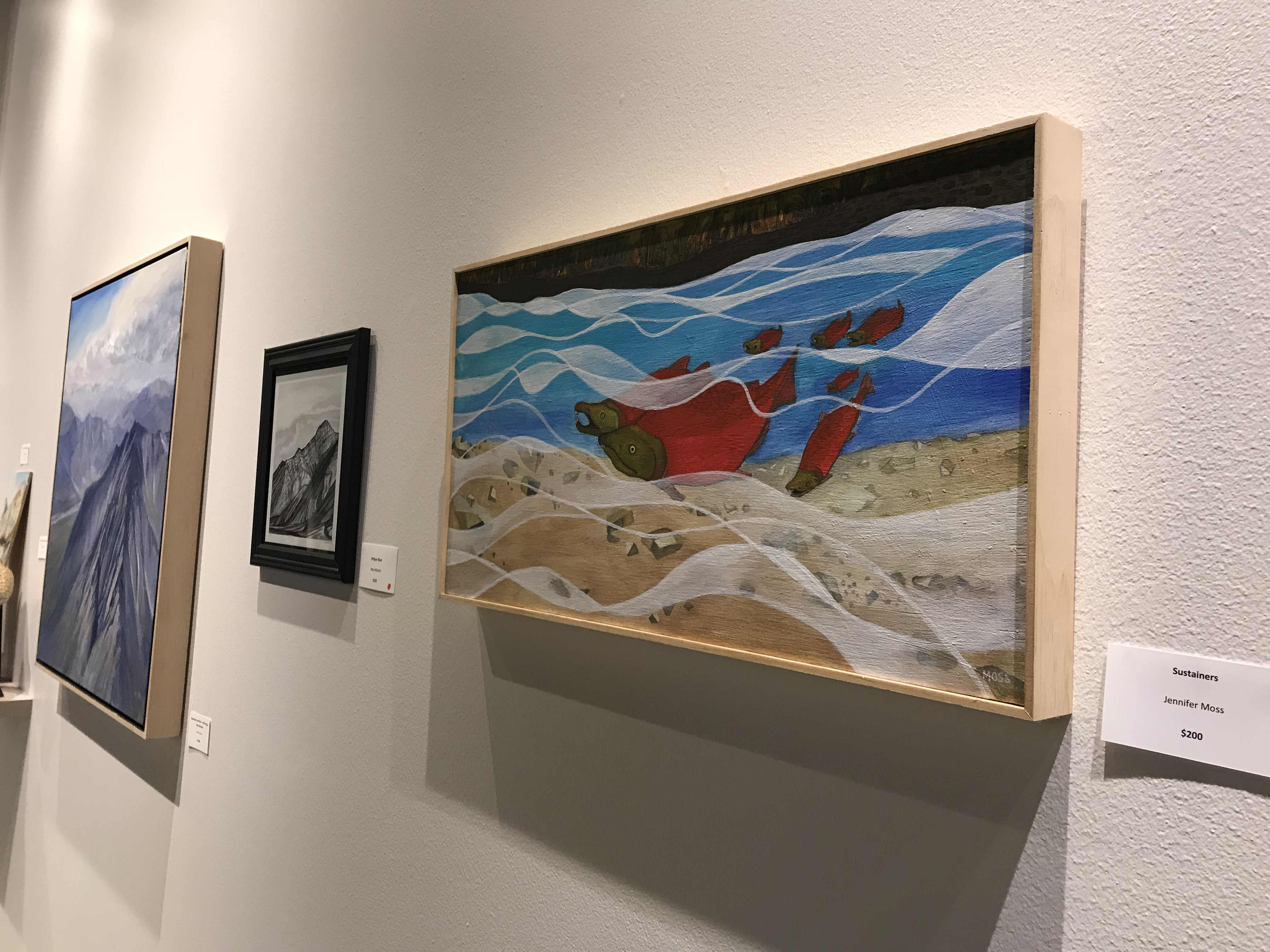

 This February, three Kodiak High School students head to the big city of Anchorage to present at their first conference: the annual Alaska Forum on the Environment (AFE).