Presented by
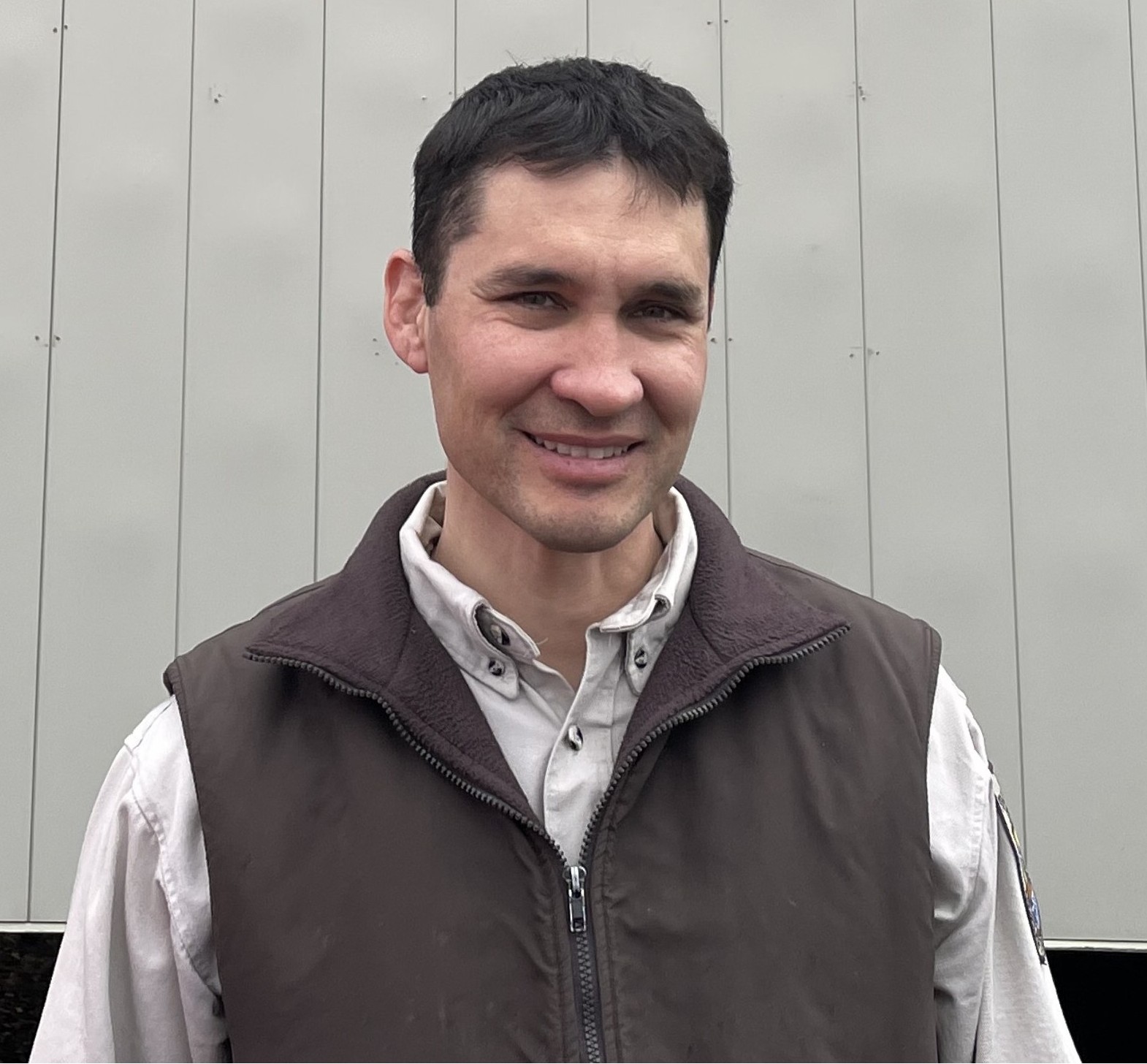
Bill Carter, Selawik National Wildlife Refuge Fish Biologist
With comments by Co-investigators Ray Hander, USFWS Fish Biologist and Randy Brown, USFWS Fish Biologist (retired)
This meeting was recorded on Tuesday, February 17, 2026 in Kotzebue, AK.
Tuesday, February 17, 2026, 5 pm Alaska Time
- Kotzebue – Bill Carter – change of venue – Selawik National Wildlife Refuge Headquart, 160 2nd Ave. Refreshments.
- Soldotna – Watch Party at Kenai National Wildlife Refuge Visitor Center, Ski Hill Road
- Anchorage – Watch Party at REI’s Community Room, 500 E. Northern Lights Blvd.
- Homer – Watch Party at Alaska Maritime National Wildlife Refuge Visitor Center, 95 Sterling Hwy.
- Or from anywhere via ZOOM
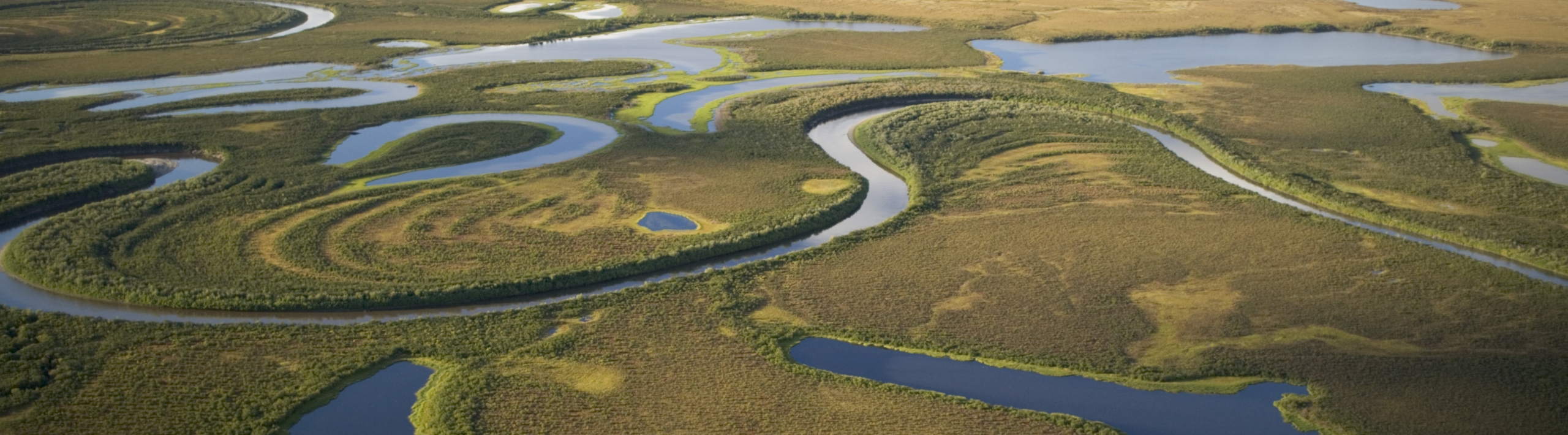
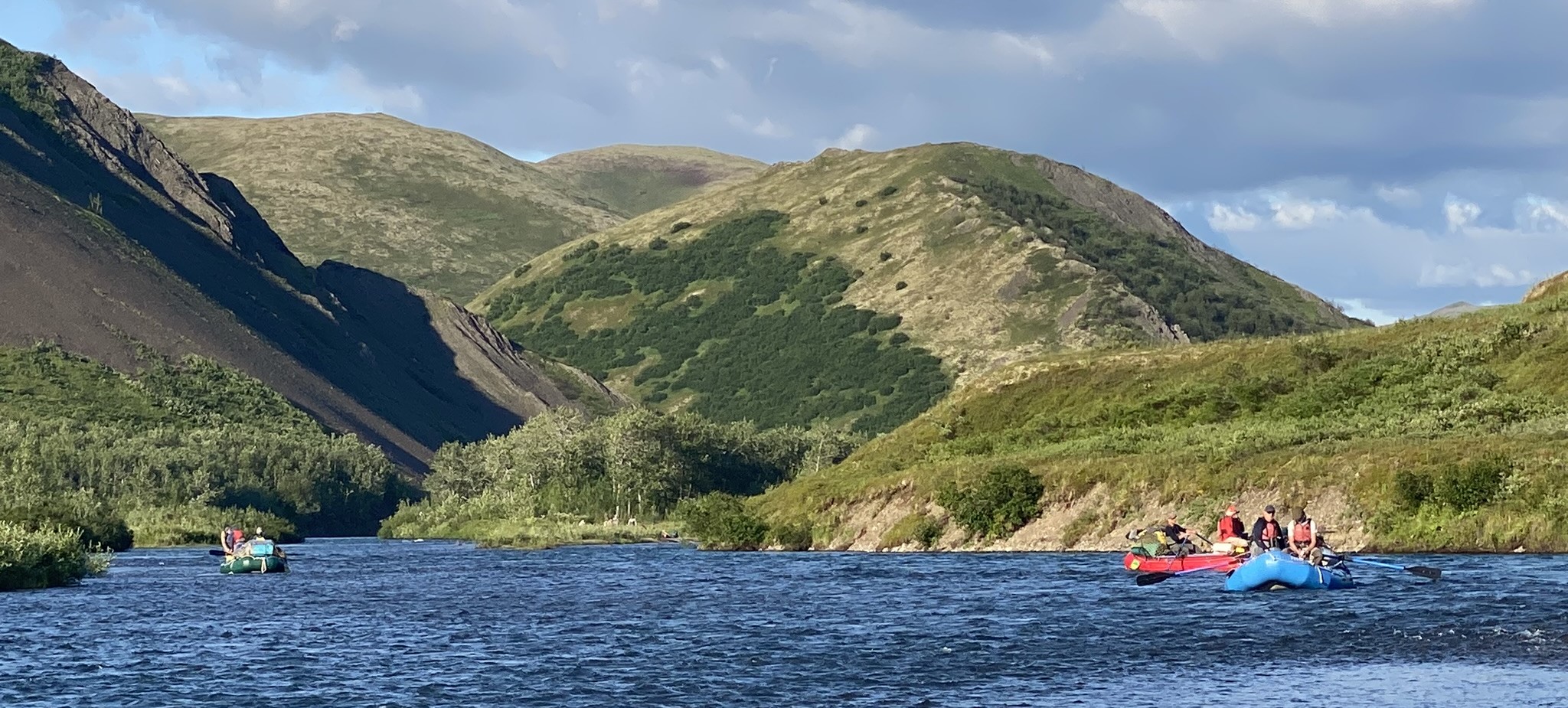
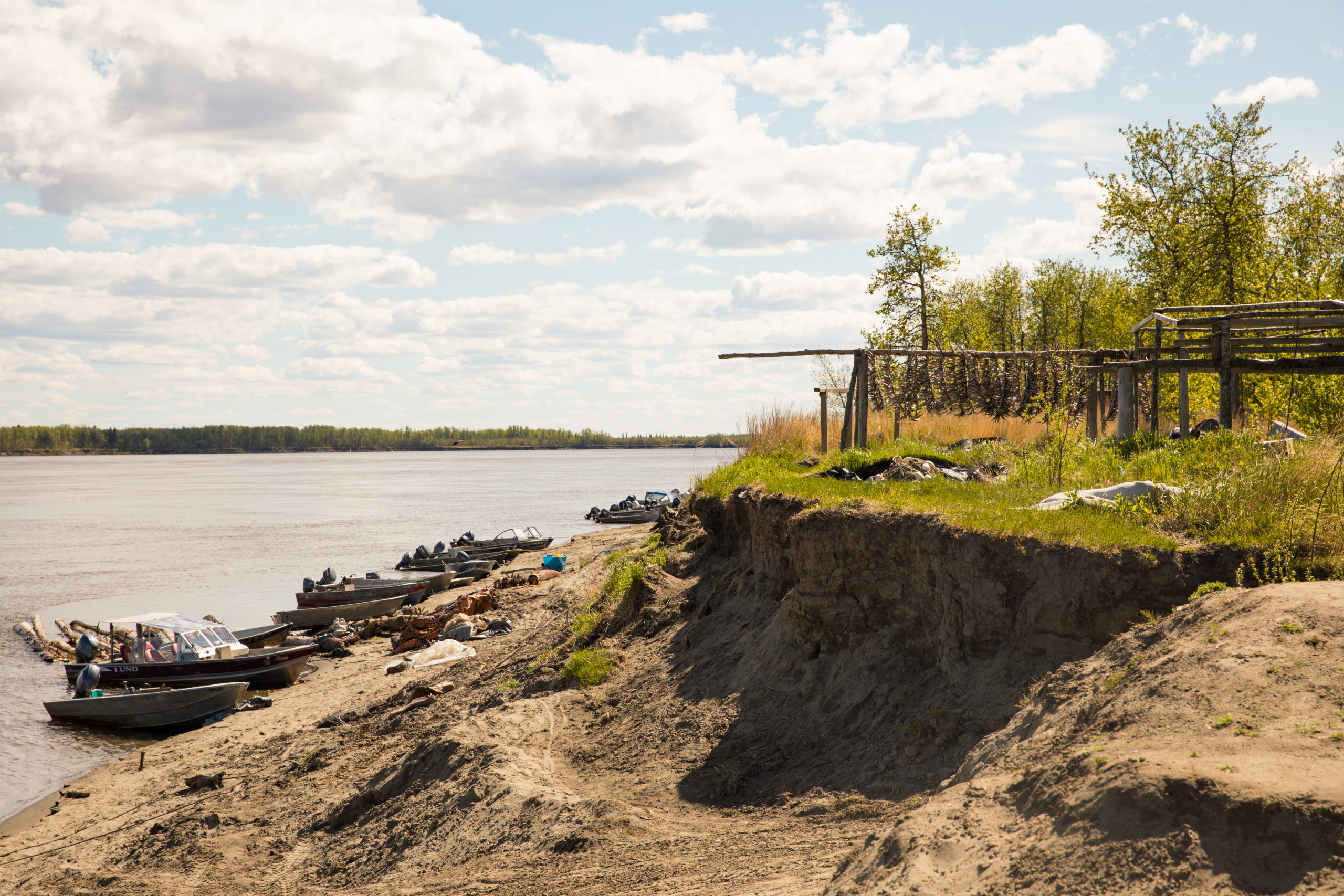
The inlet-lake-river complex of Selawik National Wildlife Refuge is highly productive and an ecosystem unique in the whole state of Alaska. Selawik River, PC Steve Hillebrand/USFWS
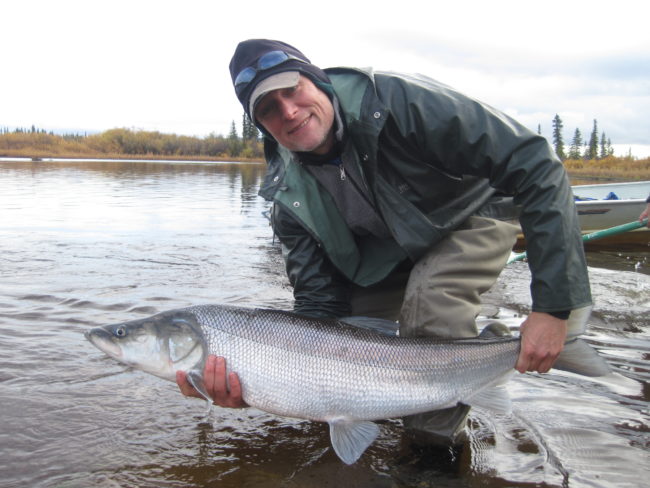
Straddling the Arctic Circle in a remote corner of northwestern Alaska lies Selawik Refuge, a special place of extreme climate, free-flowing rivers, abundant wildlife and an iconic Arctic fish – the sheefish. The upper Selawik River is one of two spawning areas in the region for sheefish, known as Sii in the local Inupiaq language. A large permafrost thaw slump began sliding into the river in 2004 releasing so much sediment that it turned the clear Selawik River muddy like the Yukon for nine straight summers. Fish biologists and local people were concerned about the effect on the spawning grounds. Come hear from Bill Carter, Selawik Refuge fish biologist, about what they learned about sheefish and this slump in a study spanning nearly 20 years. Find out how they determined that the impact was not what many feared but that sheefish proved to be remarkably adaptable. Join us to learn the current knowledge of Sii (aka sheefish or inconnu) in the Kotzebue Sound Region.
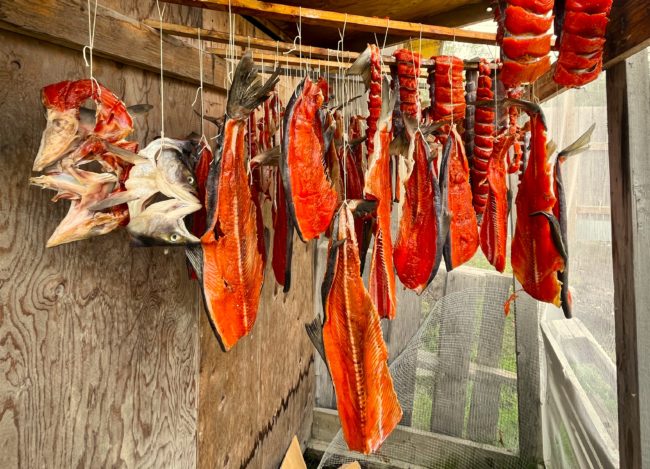
Sheefish are an important subsistence food year-round for Alaska Native Peoples and other residents of rural Alaska. Sheefish is so important for subsistence that the Inupiaq name for the region is Siilvik, meaning in English “the place for sheefish”. Check out this podcast of Kotzebue resident Siikauraq Martha Whiting talking about how locals catch, preserve and cook sheefish.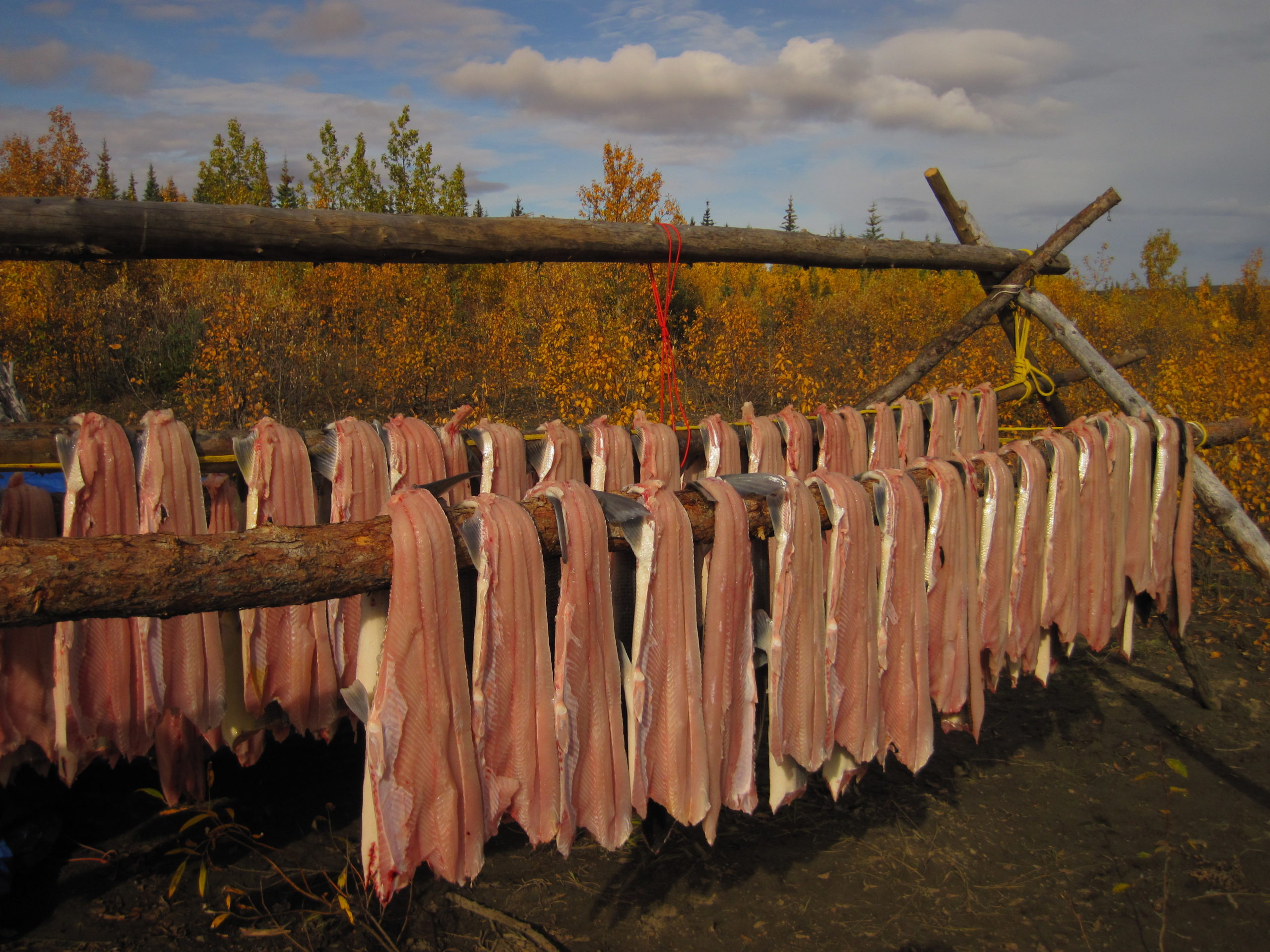
Although a member of the salmon family, sheefish flesh is white and may be preserved by drying or freezing.
Sheefish are the largest of Alaska’s whitefish and commonly live upwards of 35 years and weigh as much as 60 pounds. Unlike salmon, sheefish can spawn multiple times over their long lives. They inhabit large systems of interconnecting lakes, rivers and estuarine waters in the Yukon, Kuskokwim, Selawik, and Kobuk rivers in Alaska. Sheefish typically inhabit brackish waters in winter to feed and then begin to move upstream during the summer. In late summer, the mature fish spawn in specific upstream stretches of the river. After spawning, they quickly head back downstream to the feeding grounds.
Biographies
Bill Carter knew he wanted to be a fish biologist since age 6 when he watched Jacques Cousteau on television. Bill came north to Alaska for adventure where he ran sled dogs for Iditarod mushers for several winters. He worked 16 seasons as a fish technician at the US Fish and Wildlife Service Northern Field Office in Fairbanks, often on fish projects at the Selawik Refuge. He received his master’s degree from UAF and in 2014, Bill was hired as the fish biologist for the Selawik Refuge. One aspect that Bill finds special about the Refuge is the many interconnected waterways – from the vast wetlands to the hundreds of lakes and ponds, to the bays, to the ocean. There is a great diversity of fish habitats in the Selawik Refuge, but salmon do not occur. Sheefish is the very special fish in the Refuge – an essential subsistence food for local people and of great ecological interest.
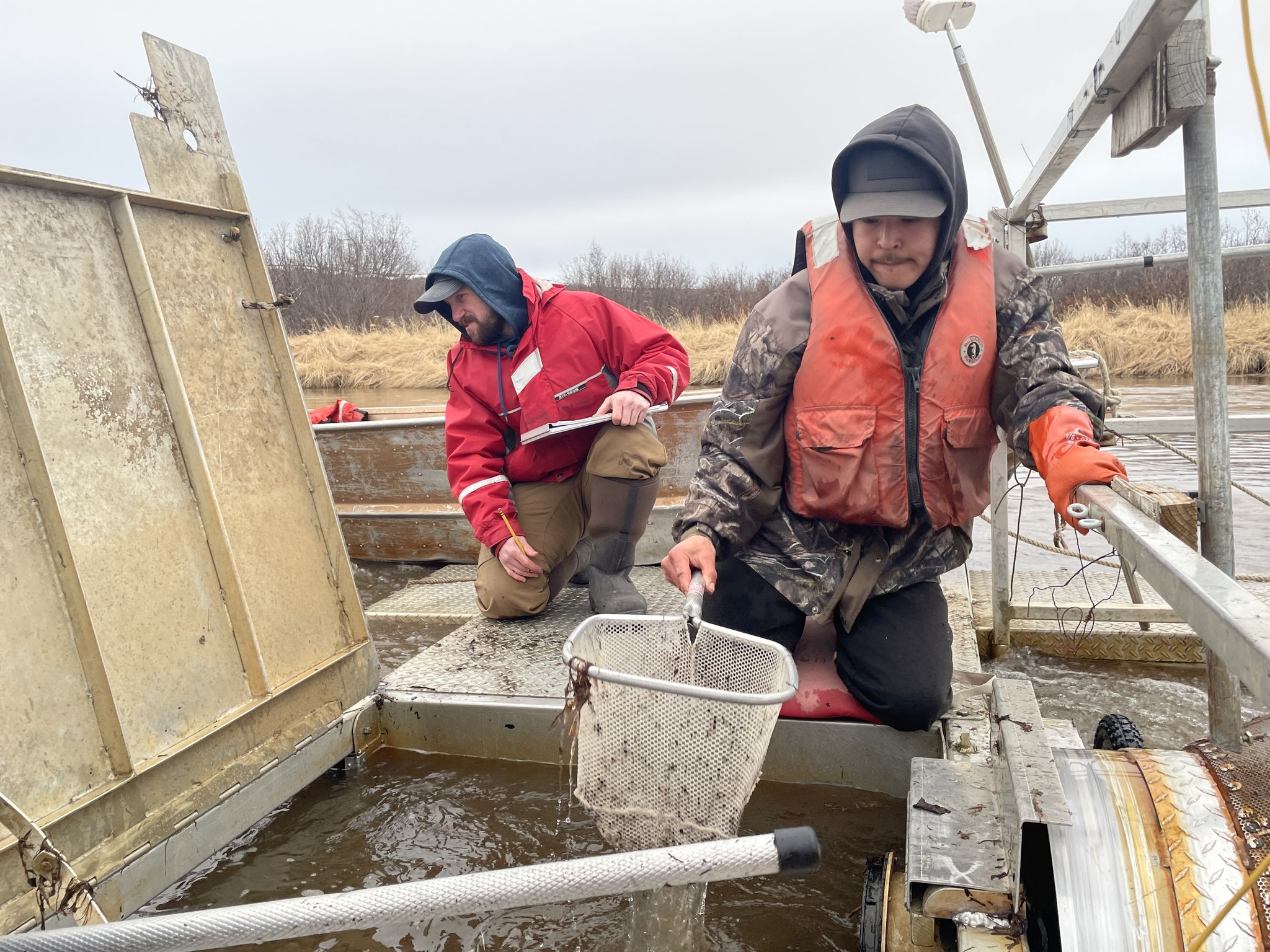
Ray Hander began his work in fishery science as a volunteer in 1987 with the Kodiak National Wildlife Refuge. His parents encouraged him to pursue this volunteer opportunity which they noticed in an Audubon newsletter. A year later, Ray was hired as a fish technician and worked at the Kodiak Refuge from1988 until 1997. He later completed a master’s degree at UAF, studying coho salmon. Ray has worked as a fishery scientist at the USFWS Fisheries Office since 2000 and in 2004 began research on sheefish at the Selawik National Wildlife Refuge. Ray finds the Selawik Refuge and the sheefish research especially interesting due to the highly productive inlet-lake-river complex, an ecosystem unique in the whole state of Alaska. He has enjoyed working with the people of the Selawik region, finding a gracious welcome to work together towards further understanding of the life of sheefish.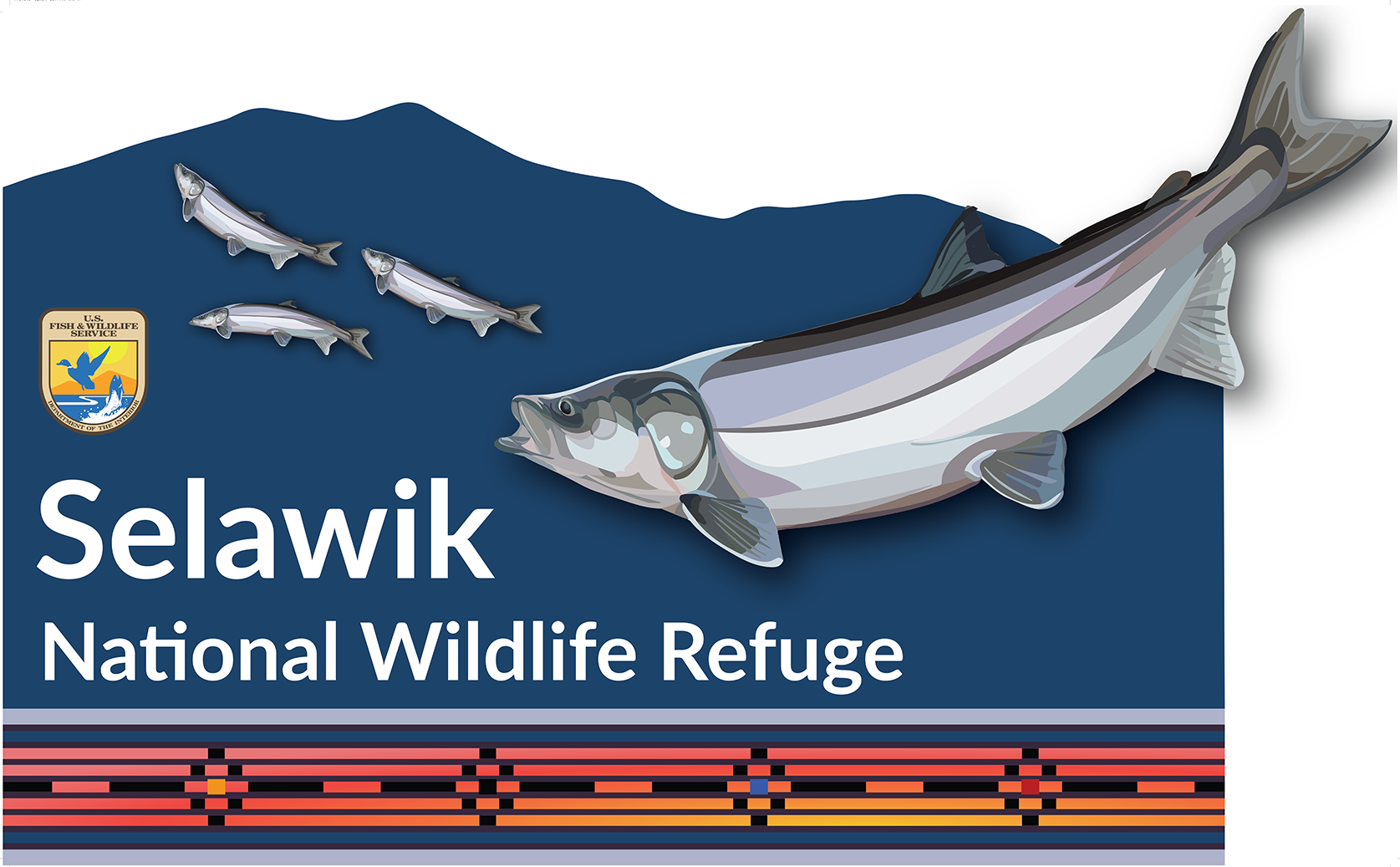
Selawik Refuge’s entrance sign features a sheefish as “ambassador animal” for the refuge . It was created in 2024 by Inupiaq artist Norma Ballot and former refuge educator and artist Christina Nelson.
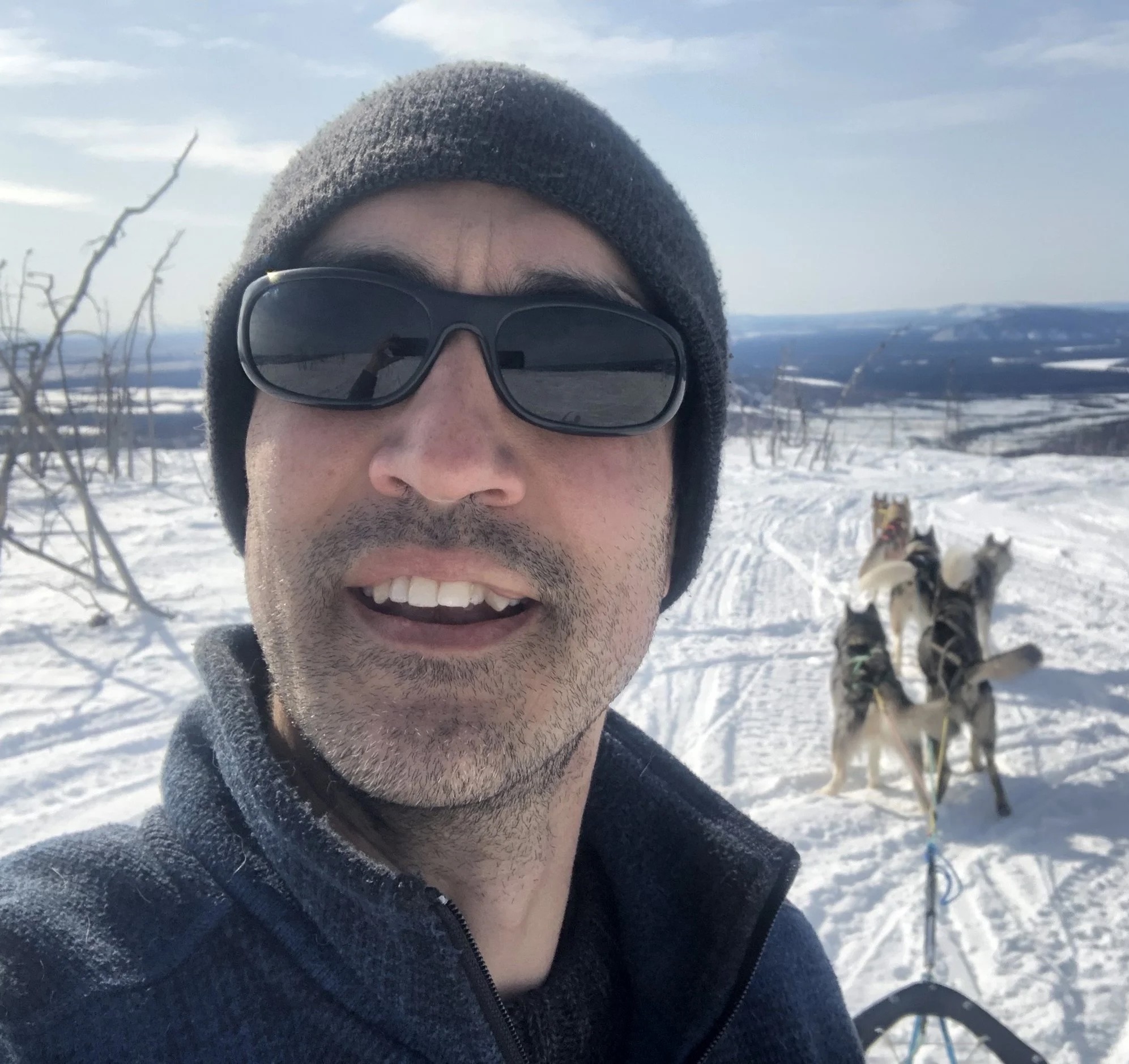 Growing up in McGrath, Kevin Whitworth learned from his elders to love the land, the river, and the natural world from an early age. He spent many hours exploring, hunting, fishing, and trapping out in the woods and on the rivers. Through high school and college, Kevin spent his summers working as a biological technician at several wildlife refuges across the state. After graduating from University of Alaska Fairbanks, he worked a number of full-time positions for U.S. Fish and Wildlife Service, including Deputy Refuge Manager for the Innoko National Wildlife Refuge in McGrath. Kevin has also worked for the Alaska Department of Natural Resources, and as the Lands and Natural Resources Manager for MTNT Limited, the McGrath village corporation. While working for the Alaska Maritime National Wildlife Refuge, Kevin met his wife, Dara who also worked for the refuge. They have a young son and two daughters and enjoy spending time at their remote cabin, dogsledding with their team of dogs, and being outside as much as possible. He joined Kuskokwim River Inter-Tribal Fish Commission team in May 2018 and has served as Executive Director since 2022.