By Nancy Lord, Advocacy Committee Chair
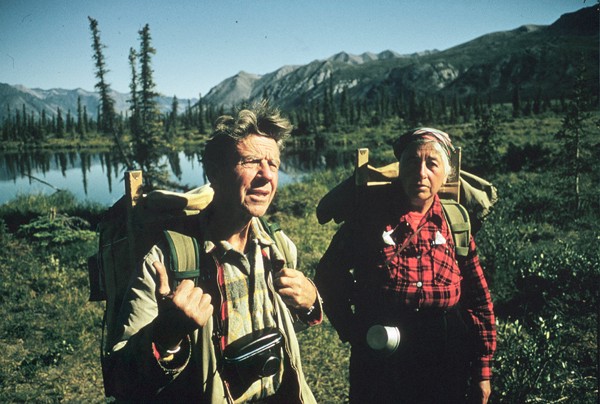
First, something to celebrate! the Arctic National Wildlife Refuge turned 65 on Dec. 6! The refuge (then a Wildlife Range) was created under the Eisenhower Administration in 1960 and later enlarged and renamed as a Refuge under the 1980 Alaska National Interest Lands Act (ANILCA.) We owe generations of Indigenous stewards and conservationists our whole-hearted thanks for their long and continuing Arctic Refuge advocacy! Thank you if you’ve been part of this!
And now the bad/sad news. We suffered a big loss last week, when Congress voted to use the Congressional Review Act (CRA) to overturn the 2024 Record of Decision which provided some regulations on oil and gas activities on the Coastal Plain of the Arctic Refuge. (Two lease sales were mandated in a 2017 law, one of which was held in 2021 and drew little industry interest.) This was a tough one for our advocacy, because it was so partisan. The Senate vote for the CRA resolution was 49-45. (Senator Collins of Maine was the only Republican to vote with Democrats.) Senator Martin Heinrich (D-NM) gave an impassioned floor speech on Dec. 3. You can watch it here. The President is guaranteed to sign it.
By repealing the framework for managing the Refuge’s Oil and Gas Leasing Program, Congress has cleared the way for more leasing with fewer safeguards on the Coastal Plain. And, the Bureau of Land Management (BLM) is barred from issuing a similar rule in the future—even if circumstances change.
Although polls show Americans are very much in favor of protecting the Coastal Plain—the biological heart of the Refuge, home to caribou calving, polar bear denning, nesting migratory birds, and the lives of the Gwich’in people—legislators will seldom vote against the desires of those they consider to have “rights” to an issue. In this case, Alaska’s Representative Nick Begich and Senators Lisa Murkowski and Dan Sullivan were the resolution sponsors. (Half of lease sale revenue will go to the State of Alaska until 2035, after which 90% will go to the State.)
In case you haven’t heard of CRAs before, that’s because this is a new tactic. Congressional Republicans have adopted an unprecedented interpretation of the act to vote to overturn resource management plans. The Clinton-era law allows revoking administrative rules issued by executive agencies, but it has never been used to overturn a resource management plan—until now. Expect to see more of this throughout the nation.
What you can do now:
- If your House and Senate members voted against the CRA, thank them for their support of Refuge lands and emphasize again how essential it is to apply environmental safeguards to all development within the Coastal Plain. This is the law. The Alaska National Interests Lands Act (ANILCA) requires that there be a “comprehensive and continuing inventory and assessment of the fish and wildlife resources of the coastal plain” and an analysis of the impacts of oil and gas development “to avoid significant adverse effects on fish and wildlife.”
- Speak out against each scheduled lease sale. (Four new lease sales over the next ten years are mandated.) Strong opposition from every corner of America should discourage oil companies from bidding and banks from financing.
Meanwhile, the advocacy committee continues to work on issues related to all of Alaska’s 16 National Wildlife Refuges. Primary among these is advocating with Alaska’s Congressional delegation (mainly Senator Murkowski) for refuge staffing and budgets. Staffing for Alaska’s refuges declined by at least 17% in 2025, on top of already steep staffing declines, and additional retirements and resignations are imminent. There are only 6 managers now for the 16 Refuges, while others have acting managers doing double-duty as the assistant managers. Very few biologists and pilots are available for needed surveys and research, and very few maintenance and law enforcement staff remain. Refuges need adequate staff and budgets to plan for the demands of the rapidly approaching summer field and visitor season if they are to perform their mandated, essential work.
What you can do now: Let your Senators and Representatives know that Refuges need staffing and budgets to do their required work, which not only protects public lands but serves Alaskans and visitors. Encourage them to pass budgets to avoid another shutdown!
Photo Above:
Olaus and Mardy Murie were early advocates for protecting this astonishing land for its wildlife and other biological values and are credited with influencing the Eisenhower administration to protect an intact Arctic ecosystem. PC: Murie Center